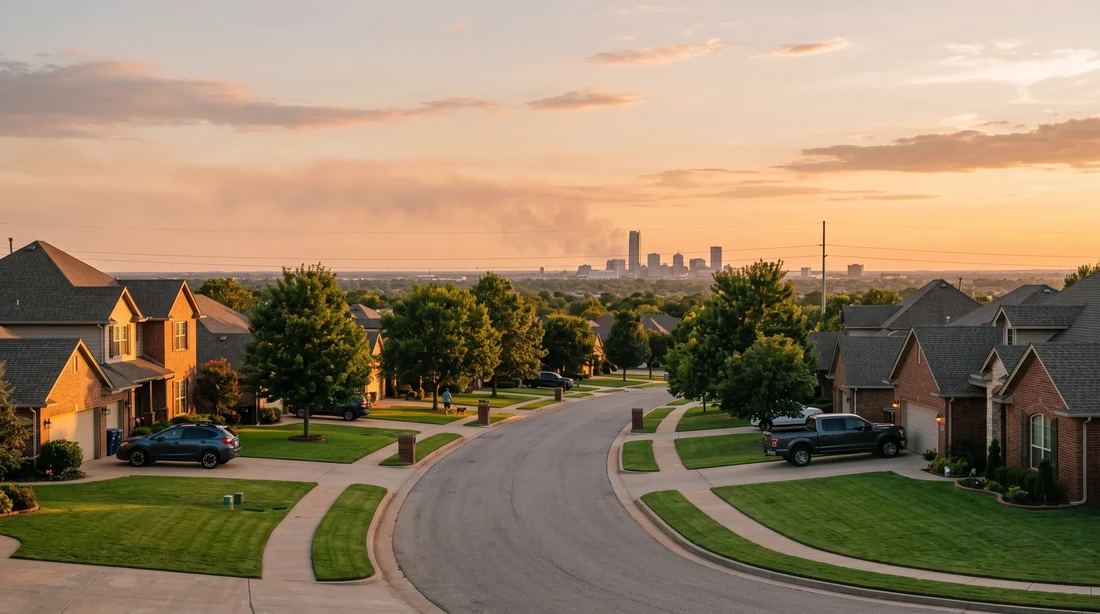
Yes, most homeowners and renters policies cover mandatory evacuation through a provision called civil authority coverage (sometimes labeled prohibited use). When a government order bars you from an undamaged home—wildfire smoke, a gas leak, a chemical spill—your policy typically reimburses hotel, food, and other extra living costs for a limited window, commonly around two weeks.
Key Takeaways
- Civil authority or prohibited-use coverage reimburses hotel, food and other extra living costs when an order bars an undamaged home.
- The day cap is commonly about two weeks, and the clock starts when the evacuation order takes effect, not at filing.
- Many policies require damage to a neighboring property within about one mile, plus a genuine order; voluntary advisories usually don't qualify.
- Only the additional cost above your normal rent or spending is reimbursable, so keep itemized receipts from the first night.
What this guide covers: how civil authority coverage pays when officials order you out of a home that's still standing, how long it usually lasts, what it won't pay for, and how to choose between a hotel and a furnished home when the order drags on.
A mandatory evacuation is different from a fire or storm that wrecks your own unit. Your home may be perfectly intact, and officials just won't let you go back yet. Civil authority coverage is built for that gap, and it's the piece most people miss when they ask whether insurance covers mandatory evacuation. The clock, the caps, the distance rules, and the paperwork all work a little differently than a normal claim.
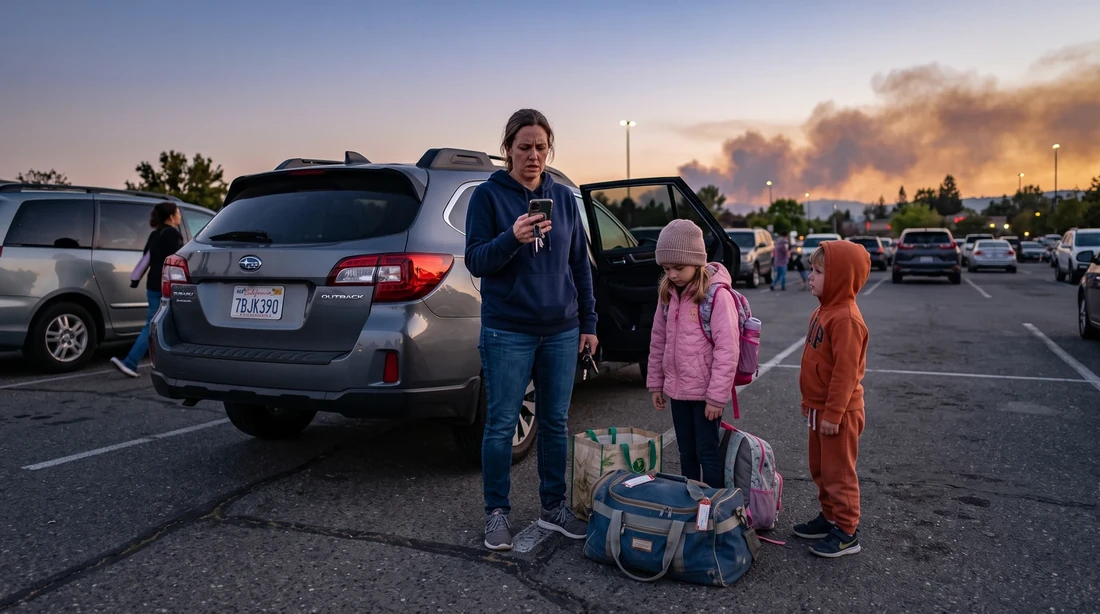
You just got the reverse-911 call or the deputy at the door telling you to leave now, and you're standing in a parking lot with two kids and a duffel bag doing math on hotel prices. Let's make the coverage part simple so the money isn't the thing you're panicking about.
Civil authority coverage typically runs a fixed number of consecutive days, often about two weeks (14 days), and the clock usually starts when the evacuation order takes effect rather than when you file. Save every receipt from night one. Costs you can't document later are costs the carrier can decline.

What Is Mandatory Evacuation Coverage?
Civil authority coverage pays your extra living expenses when a government order stops you from using an undamaged home because of a nearby covered danger. It sits inside the same part of your policy as loss-of-use. The trigger is the order, and damage to your own walls isn't required.
The key word is "nearby." Most policies require that the peril causing the evacuation is a covered one (fire, explosion, wind) and that it damaged a neighboring property, prompting authorities to close off the area. A wildfire two streets over, a ruptured gas main on your block, or a tanker spill on the nearby interstate are the classic triggers.
Prohibited use is the closely related term. If your own home is fine but the city has legally prohibited you from occupying it, prohibited-use language extends your living-expense coverage the same way. In practice, adjusters treat civil authority and prohibited use as the answer to one situation: the home stands, and you legally cannot live in it right now.
What are the distance rule and waiting period?
Two fine-print details decide many of these claims. First, many policies require the damaged neighboring property to be within a set distance of your home, often around one mile, and require that a civil authority actually damaged or barred access to that property. A voluntary "you might want to leave" advisory usually is not enough. You generally need a real order that prohibits access.
Second, some policies impose a short waiting period before civil authority pays, so coverage may not kick in until you've been out for a set number of hours or a day or two. That's separate from your deductible, which on most loss-of-use and civil-authority claims does not apply the way it does on a dwelling repair. Ask your adjuster both questions in writing: is there a waiting period, and does my deductible touch this coverage?
Are wildfire and grass-fire evacuations covered?
Oklahoma sees fast-moving grass and wildland fires, especially in dry, windy stretches outside peak tornado season. Late winter and early spring, before the April-June tornado peak greens things up, are notorious for red-flag fire days when a spark in dry grass runs across county lines in hours.
Rural stretches of Canadian, Cleveland, and Logan counties on the metro's edges see grass fires jump section lines fast, and a mandatory order can sweep in subdivisions in Yukon, Mustang, Edmond, or the far south side well before flames reach any home. Civil authority coverage is designed for that case. Your house survived, and you're barred from it while crews work.
What about gas leaks, pipeline incidents, and chemical spills?
A ruptured gas main, a pipeline incident, or a hazmat spill can shut down blocks at a time. The OKC metro is threaded with pipelines and sits near the I-40, I-35, and I-44 corridors and rail lines that move chemicals, and Tinker AFB plus industrial pockets on the south and east sides add their own exposure.
Officials evacuate an area they deem unsafe even when no structure is damaged. Because the underlying peril (explosion risk, for example) is generally covered and a civil authority barred access, these evacuations usually fall inside the coverage. Your carrier makes the final call based on your policy's exact wording.
What will civil authority usually not cover?
Two common Oklahoma situations fall outside it. A pure voluntary evacuation advisory, with no legal order barring access, typically doesn't trigger the coverage. A widespread utility shut-off during an ice storm, where no authority has prohibited you from your home and no neighboring property was damaged by a covered peril, is often excluded even though staying is miserable. If ice or wind actually damages your home, that flips to a normal loss-of-use claim, which is a different track.
Which OKC evacuation events are typically covered?
Coverage turns on two things: was the peril covered, and did a real order bar access? This reference lays out how common metro scenarios usually sort out. Your carrier confirms the specifics of yours.
| Evacuation scenario | Typically covered? | Why / what to confirm |
|---|---|---|
| Grass fire near your subdivision, county issues mandatory order | Usually yes | Fire is a covered peril and access is legally barred |
| Ruptured gas main or pipeline incident on your block | Usually yes | Explosion risk generally covered; confirm the distance rule |
| Hazmat/tanker spill on nearby interstate, officials close area | Often yes | Turns on your policy's peril list and the order's scope |
| Voluntary "consider leaving" advisory, no legal order | Usually no | Advisory doesn't legally prohibit access |
| Utility shut-off in an ice storm, no order, no neighbor damage | Often no | No barred access and no covered-peril damage nearby |
On how policies define the perils behind an evacuation order:
Home insurance offers coverage on a "named perils" and "open perils" basis.
Wikipedia: Home insurance
Am I on Civil Authority or Loss of Use?
Civil authority is a short, time-capped slice of your loss-of-use coverage. Don't think of it as a separate, generous bucket. Knowing which one you're claiming under changes how long you're covered and how much.
| Feature | Civil authority / prohibited use | Standard loss of use (ALE) |
|---|---|---|
| What triggers it | Government order barring access to an undamaged home | Covered damage to your own home makes it uninhabitable |
| Typical limit | Capped by consecutive days, often about 2 weeks | Capped by dollars/percentage or "reasonable time to repair" |
| Clock starts | When the evacuation order takes effect | When your home becomes uninhabitable |
| Deductible | Often does not apply (confirm with adjuster) | Often does not apply (confirm with adjuster) |
| Best housing fit | Hotel for short orders; furnished home if it stretches | Furnished home for the longer repair window |
How Long Does the Coverage Last, and What If the Order Drags On?
Civil authority coverage is capped by time far more often than by dollars. A typical policy pays extra living expenses for a set number of consecutive days from when the order starts. Two weeks is common, though some policies run shorter and a few longer.
That time cap is why evacuations play out as a sequence. Here is how a mandatory-evacuation claim usually unfolds, and what it costs you to wait at each step.
- Day 0: the order. The evacuation order takes effect and your coverage window opens. Every hour you delay documenting where you're staying and what you're spending is money you may not recover.
- Days 1 to 3: first hotel nights. You're paying nightly rack rates, often event- or surge-inflated if many neighbors evacuated at once or a Thunder game at Paycom Center or State Fair weekend has hotels near full. Call your carrier's claim line now and get a claim number, and ask whether civil authority applies to your policy.
- Days 4 to 7: the window is a third gone. If the order looks like it will last, this is when a nightly hotel starts burning your future budget. A weekly or monthly furnished stay usually costs less per night than a hotel and stops the daily bleed.
- Days 8 to 14: approaching the cap. Your consecutive-day limit is in sight. Ask your adjuster in writing what happens when the civil-authority period ends and whether any other coverage part continues.
- After the cap, order lifted or not. If access is restored, your civil-authority payments typically stop. If your own home turns out to be damaged after all, your claim usually shifts to standard loss-of-use, which is a different, often longer coverage capped by dollars or repair time instead of days. Confirm which track you're on.
The honest headline: mandatory-evacuation coverage is a short bridge. It won't carry a long lease. If the danger clears in a few days, a hotel is fine. If it stretches toward two weeks, or your home turns out damaged and you roll into full loss-of-use, the daily hotel rate becomes the expensive choice fast. That crossover is where a furnished home changes the math.
Evacuated with your family and the order isn't lifting today? We place displaced households in furnished OKC homes—full kitchen, laundry, room for kids—often same-day, and we can bill your carrier or TPA when they authorize it.
See insurance housing options or call/text (405) 870-2146.
What Does It Cost: Hotel vs. Extended-Stay vs. Furnished Home?
For a short evacuation, a hotel wins on speed. For anything past roughly a week (and certainly if you shift into loss-of-use), a furnished home typically costs less per night while giving you a kitchen and separate bedrooms. Here's the comparison for a displaced family, priced per month so you can see the crossover.
| Option | Typical monthly cost | Best for |
|---|---|---|
| Two hotel rooms (family of 4) | ~$8,500-$11,000 (at ~$140-$180/night ×2) | 1-7 night evacuations, single travelers, points loyalty |
| Extended-stay hotel suite | ~$3,600-$5,400 | 2-4 weeks, mini-kitchen acceptable, no separate bedrooms needed |
| Furnished home (full kitchen, laundry) | Monthly rates on 30+ nights; from-rates $225-$425/night | Families, pets, 2+ weeks, kitchen and bedrooms needed |
Only the additional cost is reimbursable. If your normal rent is $1,100 and your evacuation stay runs $3,600 for the period, the reimbursable "additional" living expense is the gap above what you'd normally pay, because your carrier subtracts your usual costs. Homeowners and renters are treated the same way here. See how the renter side works in does renters insurance cover temporary housing.
Are meals, mileage, and pets covered too?
Usually, within reason. Civil authority pays the reasonable extra cost of living displaced, and lodging is only part of it. That usually includes restaurant meals above your normal grocery spend, extra mileage to work or your kids' school from the temporary address, laundromat costs when you have no washer, and pet boarding when your stay can't take animals.
Many carriers apply a reasonable daily meal cap rather than reimbursing any dollar amount, so keep itemized receipts, not just totals. The fastest way to protect that budget is a kitchen. A family cooking most meals turns a $60-$80/day restaurant line into a fraction of it.
A worked example (hypothetical)
Say you're a renter displaced from an apartment fire with two kids. The fire started in a neighboring unit, and a fire marshal issues a mandatory evacuation of the whole building while they check structural and smoke damage. Your unit looks fine, but you're barred from it for what turns out to be 12 days.
You book two hotel rooms at $155/night to fit four people: $310/night × 12 = $3,720, plus roughly $60/day in restaurant meals you wouldn't normally buy = $720. Gross extra spend is about $4,440. Your normal rent for that stretch is about $440 (12 days of a $1,100 month), which the carrier subtracts. Reimbursable additional living expense comes to roughly $4,000, if it fits inside your civil-authority day cap.
Now run it through a furnished 3-bedroom instead. At a monthly-stay rate, a family home with a kitchen lands well under two hotel rooms per night, and cooking most meals trims that $720 food line to a fraction. If your policy anchors your loss-of-use budget around $2,800/month, a hotel blows through it in under three weeks, while a furnished home keeps you inside the cap with room to spare. This is a hypothetical. Your actual rates and coverage depend on your policy and dates.
A second worked example: when the order becomes a repair claim
Same family, same $2,800/month anchor. This time the smoke damage in the shared wall means your unit is uninhabitable, and after four days the claim shifts from civil authority into full loss-of-use for a projected 10-week repair. The two-hotel-room math now runs into a hard wall: $310/night × 70 nights = $21,700 gross, before meals. A $2,800/month budget over 10 weeks (about 2.3 months) allows roughly $6,440 in reimbursable housing.
A furnished 3-bedroom on a 30+ night monthly rate lets the same family stay put through the full repair without moving twice, keeps the kids in one school routine, and lands near the budget line instead of triple it. Once a two-week bridge turns into a two-month lease, the housing decision stops being about convenience. It decides whether the claim covers you at all.
A third worked example: evacuated on an event weekend
Now suppose the same family gets the order during a packed OKC weekend, say State Fair in September, a Thunder home playoff run, or a marathon weekend, when metro hotel rates spike. Instead of $155/night, the only two rooms you can find run $215/night. That's $430/night × 12 = $5,160 in lodging alone, before the $720 in meals. The gross comes to about $5,880, roughly $1,400 more than the same evacuation on a quiet week, and lodging alone puts you dangerously close to blowing your two-week cap.
A furnished home priced on a monthly rate doesn't ride the event surge the way nightly hotels do, so booking one on a high-demand weekend protects both your budget and your day cap. Call early. The same handful of family-sized rooms empties fastest when a citywide event and an evacuation collide.
Which Situations Change the Answer?
The base coverage is the same, but who you are changes what you should book.
Renters vs. homeowners. Both have civil authority under standard policies, but renters often carry a smaller loss-of-use limit (frequently a percentage of personal-property coverage), so the day cap and dollar cap matter sooner. See does renters insurance cover hotel stays for how the renter limit is calculated.
Families with kids. An evacuation mid-semester means keeping children within reach of their school. The OKC metro is quadrant-based. Getting from a hotel on the far northwest side to a school in Moore or Norman can be a 30-40 minute drive each way in traffic, which doubles as a daily time and mileage cost. Booking a furnished home in the same quadrant as the kids' school, instead of whatever hotel has a vacancy across town, keeps drive times short and the routine intact, and that commute mileage is often reimbursable anyway.
Pets. Many hotels cap pet size or charge steep nightly pet fees, and boarding gets expensive fast on a two-week order. A dog-friendly furnished home usually costs less than hotel-plus-boarding and keeps the family together.
Staying with family instead. If you bunk with relatives to save money, some policies still pay a modest daily amount toward your extra costs. You generally can't claim rent you're not paying. Extra costs you do incur, like longer commute mileage, added groceries, or pet boarding, may still be reimbursable. Ask your adjuster what documentation they want before you assume nothing is covered.
Multiple households displaced at once. A neighborhood-wide grass fire or gas order pushes many families into the same handful of hotels the same night, spiking rates. Furnished homes that sleep 8-16 can keep an extended family together at a per-person cost well under separate rooms, which helps when grandparents and grandkids all get the same order. Each household still files under its own policy, so keep receipts split by who paid what.
Self-employed or work-from-home. Civil authority pays living expenses and leaves lost income out. If you run a business from the barred home, lost revenue is a separate coverage question (business-interruption or a rider) outside ALE. A furnished home with reliable space to work can keep you earning through the order, which no hotel room full of kids will.
Who Handles What on an Evacuation Claim?
Evacuations move fast and the paperwork gets blurry. This is who owns each task so nothing falls through.
| Task | Who handles it |
|---|---|
| File the claim and get a claim number | You (call the claim line day 1) |
| Confirm civil authority / prohibited use applies | Adjuster / carrier (decides coverage) |
| Save all hotel, meal, and mileage receipts | You |
| State the consecutive-day cap and any waiting period in writing | Adjuster (ask; get it in writing) |
| Arrange direct billing to carrier/TPA | Carrier or TPA authorizes; host bills |
| Provide a furnished home and paperwork trail | Host / operator (us, when placed) |
| Decide if claim shifts to loss-of-use | Adjuster, based on damage findings |
How to File a Mandatory Evacuation Claim, Step by Step
Move in this order and you protect every reimbursable dollar from the first night.
- Call your carrier the day the order hits. Call your carrier's claim line the day the order hits and get a claim number before you book anything.
- Ask if civil authority applies. Ask directly whether civil authority or prohibited use applies to your policy and what the consecutive-day cap is.
- Save every receipt. Save every receipt (hotel, meals, gas, laundry, pet boarding) from night one, and photograph the evacuation order or news notice.
- Track your normal living costs. Track your normal living costs like rent and usual grocery spend so the adjuster can calculate the reimbursable additional amount.
- Switch to a monthly stay if it lasts. If the order lasts past a few days, switch to a monthly furnished stay to stay inside budget, and ask about direct billing.
- Confirm if the claim shifts to loss-of-use. Confirm in writing whether your claim shifts to loss-of-use if your home turns out damaged, since that coverage usually runs longer.
About that evacuation order: a copy helps a lot, though it's not always strictly required. Photograph or screenshot the mandatory-evacuation order, the reverse-911 alert, or a dated news notice showing the area was barred and when. Adjusters use it to confirm the order was legal (and more than an advisory) and to set your clock. Pair it with your receipts and a note of when you left and returned so the covered window is documented cleanly.
If your carrier pushes back on any of this, read insurance denied temporary housing before you accept a "no," and see loss of use coverage explained for the longer-term coverage you may roll into.
Red Flags to Check Before You Spend
- An advisory instead of an order. A voluntary "consider leaving" notice usually won't trigger civil authority.
- No civil-authority provision at all. A few bare-bones policies don't have one, so confirm before you spend.
- A damaged property too far away. Many policies use a distance rule, often about a mile.
- Nightly hotel rates past the first week. They eat the consecutive-day window fastest.
- Totals instead of itemized receipts. Daily meal caps mean the carrier wants line items.
When Don't I Need a Furnished Home?
If your evacuation is one or two nights and it's just you, a hotel with your loyalty points is the right, easy call. Short orders that lift quickly rarely justify moving into a furnished home, and you shouldn't over-engineer a 48-hour problem. If your policy has no civil-authority provision, confirm that before you spend, because you may be paying out of pocket. And if you're bunking with nearby relatives whose home fits everyone comfortably, that may be cheaper than any paid option, even after the extra costs you can still claim.
A furnished home changes the outcome for a family with kids or pets facing an order that stretches past a week, or a claim that shifts from civil authority into full loss-of-use. A kitchen cuts the restaurant line that eats your budget, separate bedrooms keep kids on a sleep schedule, and a monthly rate on 30+ nights costs less per night than two hotel rooms.
It also matters when an evacuation lands on a high-demand OKC weekend and hotel rates surge, or when several households from one street get the same order and the nearby hotels fill in a night. Several of our OKC homes are dog-friendly (see pet-friendly rentals in OKC), and our extended stays are set up for these open-ended windows.
BnB OKC runs 11 furnished homes across the metro and holds a 9.5 out of 10 average across 1,580 verified guest reviews on Airbnb and Vrbo. We work with adjusters and TPAs like Alacrity Solutions on insurance placements, so the billing and paperwork side is familiar territory for us. Here's how ALE housing companies work if you want the mechanics first.
Terms You'll Hear, Decoded
- Civil authority coverage: Pays extra living costs when a government order bars you from an undamaged home because of a nearby covered peril.
- Prohibited use: The policy language that extends living-expense coverage when you're legally forbidden to occupy your home even though it stands.
- Additional Living Expenses (ALE) / loss of use: The broader coverage that reimburses the extra costs of living elsewhere; civil authority is a specific, time-capped slice of it.
- Consecutive-day cap: The fixed run of days (often about two weeks) that civil authority coverage pays, counted from when the order takes effect.
- Waiting period: A short delay some policies apply before civil-authority payments begin, often a set number of hours or a day or two after the order.
- Distance rule: Fine print in many policies requiring the damaged neighboring property that triggered the order to be within a set distance of your home, often about a mile.
- Direct billing: When the carrier or TPA authorizes your housing provider to bill them directly instead of you paying and waiting on reimbursement.
Also useful: does renters insurance cover hotel stays and, if a fire is involved, temporary housing after a house fire.
Bottom Line
If a real government order keeps you out of a home that's still standing, civil authority coverage usually pays your extra living costs for a short, day-capped window. Document from night one, and move to a monthly stay if the order outlasts a few days.
- Check your policy's civil authority / prohibited-use line. Confirm the peril is covered, note the consecutive-day cap, and ask whether a waiting period or distance rule applies.
- Gather your receipts and your normal living costs so the adjuster can calculate the reimbursable additional amount, and photograph the evacuation order.
- If the order isn't lifting fast, secure housing now: see insurance housing or call/text (405) 870-2146 for same-day furnished options in OKC.
For official Oklahoma consumer guidance, the Oklahoma Insurance Department answers coverage-complaint questions.
This guide is general information, not insurance or legal advice; your carrier makes all coverage decisions.