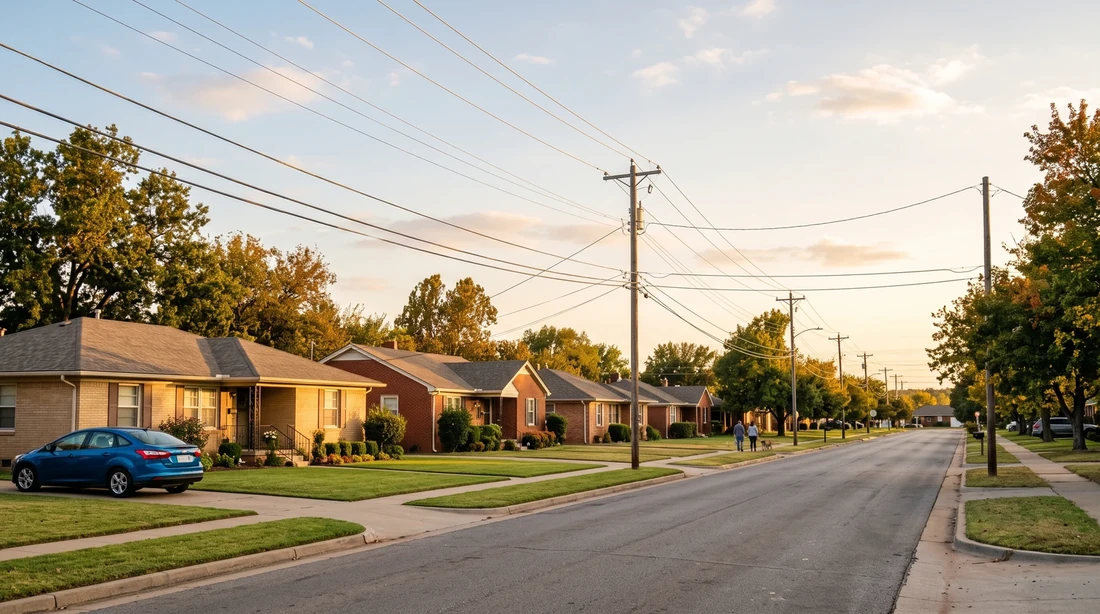
The Oklahoma insurance commissioner election 2026 is headed to an August 25, 2026 Republican runoff between Bob Sullivan (~37% of the June 16 primary vote) and Marty Quinn (~28%). Incumbent Glen Mulready is not seeking reelection. The winner will oversee the nation's most expensive home-insurance market and the new file-and-wait rate law starting July 1, 2027.
Key Takeaways
- The Republican runoff is August 25, 2026, between Bob Sullivan (~37% of primary vote) and Marty Quinn (~28%).
- Oklahoma has the nation's highest average home-insurance premium: $5,298 a year, 121.2% above the national average, per LendingTree's June 2026 data.
- HB 3781, a file-and-wait rate review law, takes effect July 1, 2027, administered by the commissioner elected November 3, 2026.
- Additional Living Expenses (loss of use) coverage pays for temporary housing after a covered loss; your carrier and adjuster decide claims.
This guide covers who is running for Oklahoma insurance commissioner, which date decides the race, the one rule change that lands on your policy no matter who wins, and what any of it means for an OKC family that gets displaced by a storm.
If you own a home in Oklahoma City, the person elected commissioner sits directly upstream of the premium on your next renewal. Oklahoma carries the highest average home-insurance rate in the country, and the office that regulates it is about to change hands for the first time in years.
The Republican runoff is August 25, 2026. Because no candidate cleared 50% in the June 16 primary, the top two (Sullivan and Quinn) face off, and the general election follows on November 3, 2026.

Who Is Running for Oklahoma Insurance Commissioner?
Commissioner Glen Mulready is not seeking reelection in 2026, opening the seat for the first time in years. Five candidates filed to replace him: Republicans Chris Merideth, Marty Quinn, Greta Shuler, and Bob Sullivan, and Democrat Craig Macintyre.
In the June 16, 2026 Republican primary, Bob Sullivan led with roughly 37% and Marty Quinn followed with about 28%, according to the Tulsa Flyer. Neither reached a majority, so the two advanced to the August 25 runoff. Sullivan, from Inola, brings two decades in property and casualty insurance.
Sullivan is not a new name in this fight. On February 24, 2026, he formally requested a public hearing on how competitive Oklahoma's homeowners-insurance market really is. Mulready denied that request on April 7, then reversed course on May 20 and announced a hearing planned for September 2026 (as reported by Oklahoma Watch). The candidate who forced the rate conversation is now the front-runner to run the agency.
The candidates' contrast, in brief
Both runoff candidates are Republicans, so the August 25 vote is widely expected to be decisive in a state that leans heavily red. November matters less. Sullivan has run on scrutinizing the homeowners market and was the petitioner behind the September hearing. Quinn advanced as the second-place finisher. Beyond what the sources confirm, the campaigns have not published a settled platform comparison, so treat any claim beyond the vote totals and the hearing history with caution until official positions are posted.
Why a state office holds this much sway over premiums:
Further complicating matters is that the homeowners insurance industry is largely regulated at the state level rather than nationwide.
Wikipedia: Home insurance
Why Does This Race Matter to OKC Homeowners?
Oklahoma homeowners pay the highest average home-insurance premium in the nation: $5,298 a year, 121.2% above the national average, per LendingTree's June 2026 data. That is no rounding error. It is the single line item that pushes many OKC housing budgets, and the commissioner's office is where rate oversight, market-competitiveness reviews, and consumer complaints all run through.
The next commissioner also inherits a brand-new rule. HB 3781, a file-and-wait rate review law, takes effect July 1, 2027, which means whoever wins in November administers how insurers file and justify rate changes going forward. This race decides who holds that pen.
When Is the Election Decided?
| Date | Stage | What it decides |
|---|---|---|
| Feb 24, 2026 | Sullivan requests hearing | Puts homeowners-market competitiveness on the record |
| Apr 7, 2026 | Mulready denies request | Hearing initially rejected |
| May 20, 2026 | Hearing announced | September 2026 public hearing scheduled |
| Jun 16, 2026 | Republican primary | Sullivan (~37%) and Quinn (~28%) advance |
| Aug 25, 2026 | Republican runoff | Names the GOP nominee |
| Sep 2026 | Public rate hearing | Airs homeowners-market concerns |
| Nov 3, 2026 | General election | Elects the next commissioner |
What Changes No Matter Who Wins?
The next commissioner administers HB 3781, a file-and-wait rate review law effective July 1, 2027. Here is the shift in plain terms.
| Element | Current framework | Under HB 3781 (from Jul 1, 2027) |
|---|---|---|
| Who administers it | Outgoing commissioner's office | The commissioner elected in Nov 2026 |
| Rate mechanism | Existing filing rules | File-and-wait rate review |
| What it affects | How insurers change rates | How and when rate changes take effect |
| Timing | In effect now | Takes effect July 1, 2027 |
The specific procedural details of HB 3781 have not been fully published in the sources here, so we are describing what is confirmed (the law's name, its file-and-wait nature, and its effective date) rather than guessing at mechanics. The point for a homeowner is timing. The person you help elect this fall is the one who will implement it.
What Does This Mean If a Storm Puts You Out of Your House?
No matter who wins on August 25 or in November, two things stay true for Oklahoma City households: your premium is unlikely to fall overnight, and a bad storm can still put your family out of the house for months. Regulation moves on a slower clock than a hailstorm.
That gap is where displacement housing lives. When a tornado, hail, or wind event damages your home during Oklahoma's April to June peak season, your policy's Additional Living Expenses (ALE) coverage, also called loss of use, is what pays for somewhere to stay while repairs happen. The commissioner's office oversees the market; your individual claim is still decided by your carrier and adjuster.
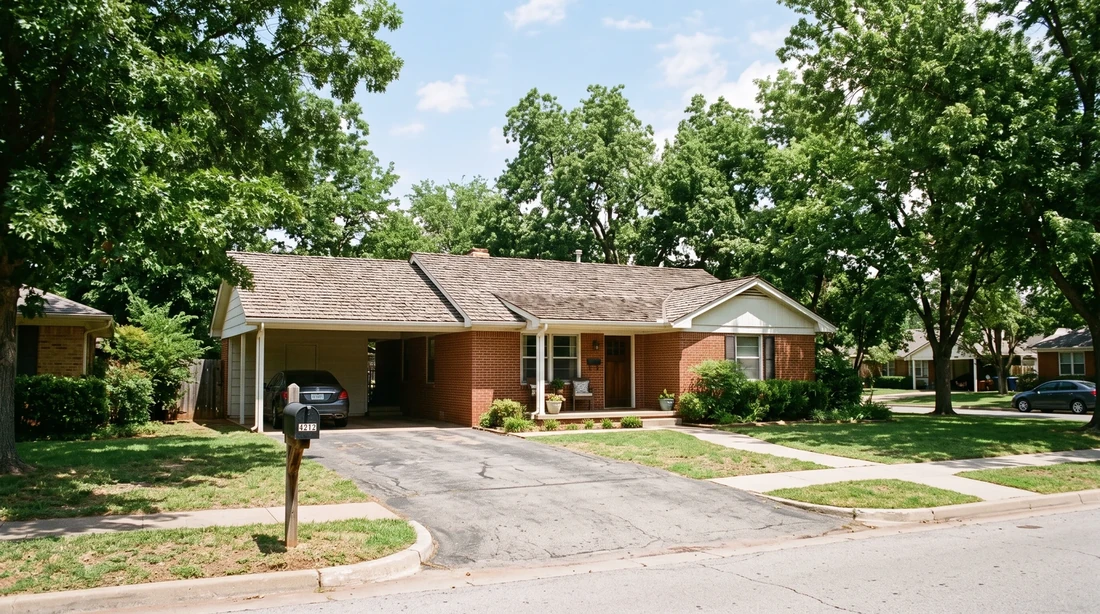
The practical takeaway: election outcome or not, know your ALE limit before you need it, and know where a displaced family can live in the metro. A furnished home with a kitchen and laundry stretches an ALE budget much further than open-ended hotel nights. That is the core of what we cover on our insurance housing hub.
Displaced by an Oklahoma storm and your adjuster approved temporary housing? We work with carriers and adjusters (including Alacrity Solutions) to place families in furnished OKC homes fast.
A hypothetical: what a storm displacement costs
This example is hypothetical and rounded for illustration; your real numbers depend on your policy and your carrier's decision.
Say an April hailstorm makes your OKC home unlivable and repairs run four months. Two hotel rooms for a family at roughly $180/night comes to about $360/night, or around $43,200 over 120 nights. Hotel rooms have no kitchen or laundry, so restaurant and laundromat costs pile on top.
A furnished home instead, booked at our monthly rate for 30+ night stays, keeps the family together with a full kitchen and in-unit laundry, and the everyday costs that ALE reimburses stay far lower. Our published from-rates run $225 to $425/night, with direct-booking savings up to 35% on stays of 4+ nights, and monthly pricing on 30-night-plus placements. The exact figure depends on home size and dates. The structure is what protects an ALE budget: fewer add-on costs, one predictable monthly number.
How to Prepare for Storm-Season Displacement, Step by Step
- Find your ALE limit: Read the loss-of-use line on your homeowners declarations page before storm season.
- Save receipts from day one: ALE reimburses documented costs, so keep every lodging, meal, and laundry receipt.
- Ask your adjuster about direct billing: Confirm whether your carrier or TPA can pay a furnished-housing provider directly.
- Compare a furnished home to open-ended hotel nights: Price the kitchen-and-laundry option against nightly hotel add-ons.
- Line up housing early: Call a local operator so a placement is ready if you're displaced.
What to Check Before Storm Season
- You are waiting on the election to act on your policy. Nothing about the August 25 runoff or the November 3 general changes your premium overnight, and HB 3781 does not take effect until July 1, 2027.
- You don't know your loss-of-use limit. It is on the declarations page. Read it before April, when the peak season starts.
- You assume direct billing is automatic. A housing provider can bill your carrier or TPA directly only with their authorization. Ask the adjuster.
- You treat campaign claims as settled policy. The sources confirm the vote totals and the hearing history. Beyond that, the campaigns have not published a platform comparison.
- You price hotel nights without the add-ons. Restaurant meals and laundromat trips sit on top of the room rate, and ALE reimburses only documented costs.
Terms You'll Hear, Decoded
- Additional Living Expenses (ALE): The part of a homeowners policy that reimburses added costs (lodging, meals, laundry) while your home is being repaired after a covered loss.
- Loss of use: Another name for the same coverage; "use" of your home is lost, so the policy funds a temporary place to live.
- File-and-wait rate review: The rate-approval approach HB 3781 sets up, taking effect July 1, 2027, governing how insurers file and implement rate changes.
- Runoff: A second election held when no candidate wins a majority in the primary; here, the top two Republicans face off on August 25, 2026.
- Direct billing: When a housing provider bills your carrier or third-party administrator directly, and only with the carrier's or TPA's authorization.
Insurance is one of several 2026 shifts touching where and how Oklahomans stay. If you're following local housing and lodging rules, our coverage of OKC short-term rental rules and the Norman hotel tax increase tracks the same 2026 policy churn from the lodging side.
The Bottom Line
The August 25 runoff between Sullivan and Quinn is the vote most likely to decide who runs the Oklahoma Insurance Department, and the winner administers HB 3781 from July 1, 2027. None of that lowers your premium this year or shortens a repair. Know your ALE limit, keep receipts, and have a furnished-housing plan before April.
Placing a displaced family right now shouldn't wait on an election result. Reach us anytime at (405) 870-2146.
Reporting drawn from the Tulsa Flyer primary results, Oklahoma Watch on the public hearing, and Ballotpedia's candidate list.
This guide is general information, not insurance or legal advice; your carrier makes all coverage decisions.