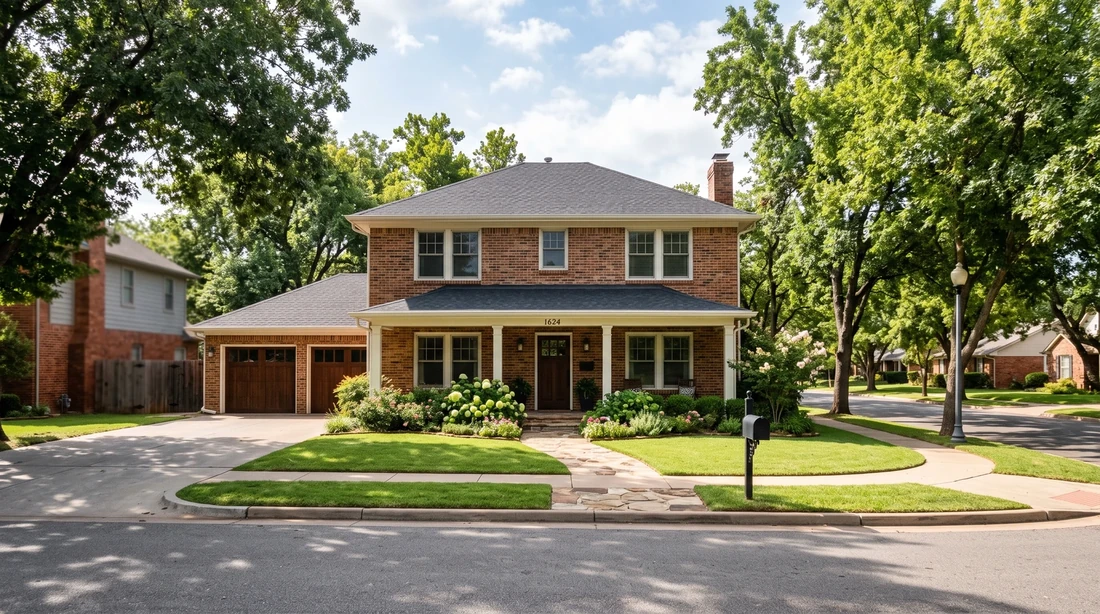
If your insurance is not paying enough for temporary housing, invoke the "like kind and quality" standard: most loss-of-use policies owe housing comparable to your home — same bedroom count, kitchen, laundry, and pet accommodation — not the cheapest hotel room. Submit three dated rental comps in writing and request written approval of the comparable rate.
Key Takeaways
- Invoke "like kind and quality": policies typically owe housing comparable to your home — bedrooms, kitchen, laundry, pet accommodation — not a hotel room.
- Submit three dated rental comps in writing within 48 hours of displacement; after storms, true four-bedroom comps lease within days.
- Hypothetical 120-night rebuild: hotel path totals about $43,760 versus $16,800 for a furnished home, a difference near $27,000.
- The "additional" offset applies only to expenses you stopped paying; you still owe the mortgage on the damaged house.
What's covered here: why ALE offers come in low, what the "like kind and quality" standard means, the monthly math on hotels versus furnished homes, scripts for the negotiation, and a step-by-step plan to get a comparable rate approved.
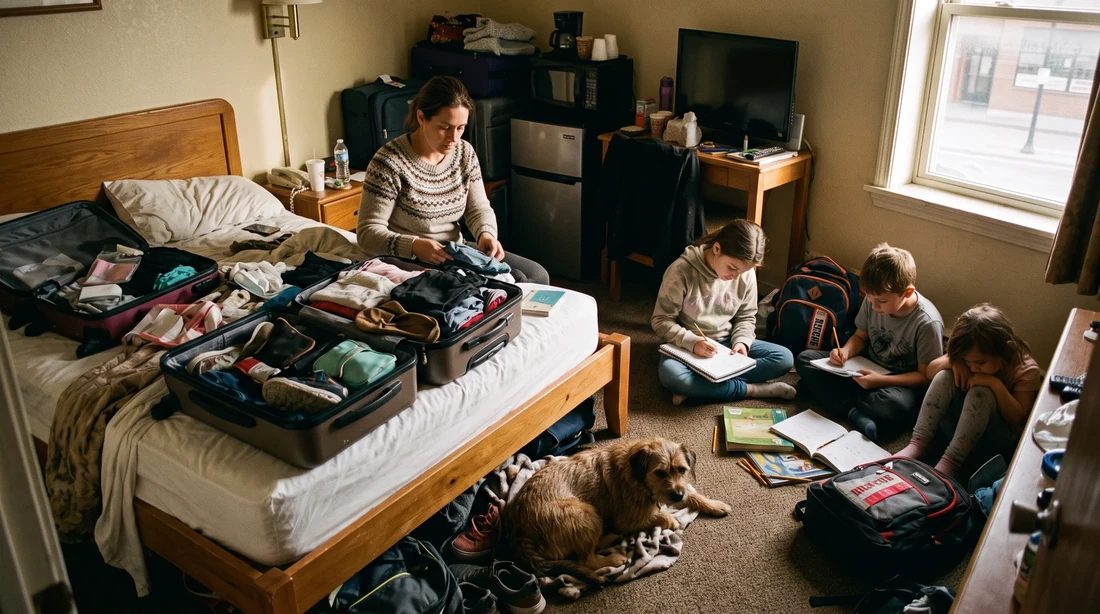
Your adjuster approved the claim, then offered one hotel room at a nightly rate that wouldn't cover half a real house, for your family of five and a dog staring down a four-month rebuild. That gap between "approved" and "enough" is frustrating, but it has a name in your policy, and it's negotiable with the right paperwork.
This guide covers underpayment specifically. If your carrier refused temporary housing entirely, that's a different fight, start with what to do when insurance denies temporary housing.
Rental comps go stale fast, a listing you screenshot today may be leased next week, and after a spring storm outbreak, the true four-bedroom comps in your area lease within days. Pull your three comparable listings now, with dates and rents visible, so your adjuster can verify them while they're still live.

Why Is Insurance Not Paying Enough for Temporary Housing?
Most lowball temporary-housing offers happen because a hotel is the adjuster's default first placement, not because your policy caps you at a hotel rate.
Four forces push the number down before anyone reads your policy closely:
- The first-night default sticks. The night of the fire, a hotel was the right call, fast, no lease, no questions. The problem is when a 48-hour solution quietly becomes the four-month plan.
- Rate cards, not policies. Many carriers route housing through a third-party administrator (TPA) that works from standardized nightly rates. A rate card is a starting point, not policy language.
- The "additional" offset gets misapplied. ALE typically pays costs above your normal living expenses. Some adjusters subtract your mortgage or normal rent from the housing budget aggressively; the offset applies to expenses you're no longer paying, and you're usually still paying your mortgage on a burned house.
- Caseload math. Adjusters juggle many open files. The claim with organized, written documentation is the claim that's easy to approve at a fair rate.
None of this is personal, and most of it moves when you replace a verbal complaint with a documented comparable rate. The rest of this article shows you exactly how.
One reason policy language and handling vary so much:
Further complicating matters is that the homeowners insurance industry is largely regulated at the state level rather than nationwide.
Wikipedia: Home insurance
When Does OKC Timing Raise the Stakes?
Displacement in central Oklahoma clusters between April and June, which means you're often shopping for comparable housing at the exact moment hundreds of other families are too.
After a spring hail or tornado outbreak, three things happen fast: adjusters' caseloads spike, the handful of true four-bedroom rental comps in your school zone lease within days, and hotels fill. Pull your three comps within 48 hours of displacement, post-storm, the evidence you need disappears fastest exactly when you need it most.
Event calendars squeeze the hotel path too. Hotels reprice nightly, so the OKC Memorial Marathon in late April, the Women's College World Series at Devon Park in late May and early June, and the State Fair of Oklahoma in September all push room rates up across the metro.
A rebuild that spans one of those windows makes the hotel side of your cost comparison even worse, while monthly furnished-home rates typically hold steadier, because they're priced by the month, not the night. If your displacement lands near one of these windows, put the event-week hotel rates in your worksheet; they strengthen the comparable-home request.
What Does "Like Kind and Quality" Mean for Temporary Housing?
Standard loss-of-use language typically pays the increase in living expenses required to maintain your household's normal standard of living, and "normal" is defined by the home you lost, not by the room you were offered.
Different policies phrase it differently, "comparable standard of living," "like kind and quality," "normal standard of living", but the practical test is the same. The measure is comparability to your home, not the lowest available nightly rate. For a household that lived in a four-bedroom house, comparability typically covers:
- Bedroom and bathroom count close to what you had, kids who had rooms don't lose them for four months.
- A functioning kitchen and laundry, because your normal standard of living includes cooking dinner, not 120 nights of takeout.
- Pet accommodation, because boarding your dog for four months is an additional living expense too, one many adjusters overlook until you list it.
- Reasonable location relative to work, school, and the rebuild you'll want to check on weekly.
Location deserves more precision than most worksheets give it. If your kids attend school in Putnam City, Edmond, Deer Creek, Moore, or another metro district, anchor your comps inside or near the attendance zone, a cheaper comp 25 minutes across the metro isn't comparable when it means changing schools mid-semester, and adjusters generally accept that logic when you state it plainly with addresses and drive times.
The same goes for the rebuild itself: you'll want to be close enough to check contractor progress weekly. Several of our furnished homes sit near Lake Hefner, The Village, and the Paseo and Plaza districts, which keeps a northwest-OKC household inside its normal orbit of school, work, and job site.
Comparability does not mean identical, and it never means an upgrade, if you lost a three-bedroom home, comps for a five-bedroom estate will get your worksheet dismissed. For a refresher on how the coverage itself works, including caps and time limits, see loss of use coverage explained.
What Does Accepting a Lowball ALE Offer Cost?
Accepting a two-queen hotel room for a four-month rebuild typically costs more in total ALE than the furnished home your adjuster hesitated to approve, and it weakens your position the longer you wait.
Here's the sequence when you take the underpaid rate and hope it works out:
- Weeks 1-2: Restaurant meals, coin laundry, and dog boarding start accruing on top of the room rate. Each is reimbursable with receipts, and each drains the same ALE pool your housing draws from.
- Month 1: Your burn rate becomes visible. ALE is commonly capped as a percentage of your dwelling or personal-property coverage; a hotel-plus-meals month can consume that cap two to three times faster than a furnished home with a kitchen.
- Month 2: The comps you could have screenshotted in week one are leased. Rebuilding your evidence file mid-claim is harder, and "we've been managing in the hotel" quietly becomes the adjuster's argument that the hotel is adequate.
- Months 3-4: Rebuilds slip, permits, materials, contractor schedules. If the hotel pace has eaten most of your cap, the extension months are the ones you risk paying out of pocket.
The hotel path can exhaust an ALE cap that the furnished-home path would have stretched across the entire rebuild. That number gets your adjuster's attention, because approving the comparable home is often the cheaper outcome for the carrier too.
Stuck in one hotel room while a four-month rebuild drags on? BnB OKC works with adjusters and with Alacrity Solutions on insurance placements, and we can send a written comparable-housing quote for your claim file — often the same day you call.
Request an insurance housing quote or call/text (405) 870-2146.
How Do a Hotel, an Extended Stay, and a Furnished Home Compare Each Month?
A furnished four-bedroom home in the OKC metro typically costs less per month than two hotel rooms, before you count restaurant meals, laundry, and pet boarding.
| Option | Typical monthly cost | Fit and drawbacks |
|---|---|---|
| Two standard hotel rooms | ~$8,400-$9,300 (at $140-$155/night × 2 rooms) | No kitchen or laundry; meals out add $1,000+ monthly; many properties can't take a dog long-term; nightly rates spike on event weekends |
| One extended-stay suite | ~$3,900-$5,100 | Kitchenette helps, but five people share one sleeping space; workable for weeks, not months |
| Furnished home (3-4 bedrooms) | ~$4,200-$6,500 with monthly rates on 30+ night stays | Full kitchen, laundry, separate bedrooms, yard; several homes dog-friendly; month-to-month terms match rebuild timelines |
| Unfurnished apartment + rented furniture | ~$2,200 rent + $500-$800 furniture + utility setup and deposits | Often requires a 6-12 month lease, a bad match for a 4-month rebuild that may finish early or run long |
Extended-stay suites are covered in more depth, including when a carrier will pay for them, in does renters insurance cover hotel stays. For furnished options built around 30+ night stays, see our extended stays page.
What does a four-month rebuild cost a family of five with a dog?
This scenario is hypothetical, but the arithmetic is the exact worksheet you'll hand your adjuster. Say a kitchen fire displaces your family of five for a 120-night rebuild:
- Hotel path: two rooms at $145/night × 2 × 120 nights = $34,800. Add extra food costs of roughly $1,400/month above your normal grocery bill × 4 months = $5,600. Add dog boarding around $28/day × 120 = $3,360. Ballpark total: about $43,760.
- Furnished-home path: a dog-friendly four-bedroom at $4,200/month × 4 months = $16,800. You cook at home, so there's little "additional" food expense, and the dog lives with you, so boarding is $0.
The difference is roughly $27,000 over the rebuild, money that either blows through your ALE cap or stays available for the months the rebuild runs long. That side-by-side total is the single most persuasive page in your negotiation file. If you're at the start of this process, temporary housing after a house fire walks the full timeline; our pet-friendly OKC rentals show which of our homes take dogs. Across our 11 furnished OKC homes, guests average 9.5 out of 10 over 1,580 verified reviews on Airbnb and Vrbo.
Variant: the cap math that decides whether month five is covered
Also hypothetical: suppose your dwelling coverage is $280,000 and your policy sets loss of use at 20% of that, a $56,000 ALE cap. Percentages vary widely, so read your own declarations page before you use these numbers.
- Hotel path: $43,760 over four months is about 78% of the cap, a burn rate near $10,940 a month. If the rebuild slips (permits and materials slip rebuilds all the time), you'd cross the cap roughly five weeks into month five, with the house still unfinished.
- Furnished-home path: $16,800 is about 30% of the cap, leaving roughly $39,200 in reserve. At $4,200 a month, that's runway even if the rebuild takes twice as long as planned.
The burn rate, not the monthly rate, is what decides whether the final months of your rebuild are covered. If you rent rather than own, the same comparability standard applies, but renters loss-of-use limits are commonly a percentage of your personal-property coverage, a smaller pool that makes the burn-rate math even more decisive. Does renters insurance cover temporary housing covers those caps in detail.
Variant: the "additional" offset, done right
Also hypothetical: ALE pays costs above your normal living expenses, so some deduction from your housing budget is legitimate, but only for expenses you've actually stopped paying.
You still owe the mortgage on your damaged house, so it typically isn't a discontinued expense to subtract. What is discontinued might be utilities suspended at the damaged home, say $220 a month. The correct offset over four months is about $880. Subtracting a $1,600 mortgage instead would remove $6,400 from your housing budget, a $5,520 swing on a single line item. If your budget looks light, ask one question in writing: "Please list which of our normal expenses you're treating as discontinued, and the monthly amounts." That question surfaces the error without an argument.
How Do You Build a Comparable-Housing Worksheet Your Adjuster Can Approve?
A comparable-housing worksheet turns "like kind and quality" from an argument into a number an adjuster can approve without a fight.
| What to document | Evidence source | Why it moves the rate |
|---|---|---|
| Bedrooms and bathrooms of your home | County assessor record, appraisal, or listing from when you bought | Sets the objective baseline for "comparable" |
| Kitchen and laundry | Photos, contents inventory from the claim | Justifies a home over a hotel room and reduces "additional" meal costs |
| Pets in the household | Vet records; boarding quote for the alternative | Boarding is an ALE line item, housing the pet is often cheaper |
| Location needs | Work and school addresses, commute distances, school attendance zone | Keeps comps anchored to your area, not the cheapest suburb |
| Current market rent | Three dated screenshots of active listings matching your bed/bath count | The core evidence, real asking rents, verifiable today |
| Furnished, insurance-ready quote | Written quote from a furnished operator naming rate, term, and what's included | Gives the adjuster a bookable number, not an estimate |
For the market-rent line, stack three kinds of evidence: dated screenshots of live listings are the evidence adjusters verify and approve fastest; HUD Fair Market Rents for your county give a government reference point for unfurnished rent; and the federal GSA lodging per diem for Oklahoma City is a useful floor, if the government pays more per night for one traveler's hotel room than your carrier is offering a family of five, say so, politely and in writing.
Furnished homes run above unfurnished FMR because furniture, utilities, and housewares are included, name that premium explicitly in the worksheet so the adjuster isn't comparing your furnished quote against bare-walls rent.
Who Handles What: You, the Adjuster, or the Housing Operator?
A rate negotiation moves fastest when each task has one clear owner and one piece of paper that proves it happened.
| Task | Who owns it | What goes in the claim file |
|---|---|---|
| Pull the declarations page; note the cap and time limit | You | Photo or PDF of the loss-of-use line |
| Screenshot three live comps | You | Listing images with rent, beds/baths, and date visible |
| Provide a written comparable quote | Housing operator | Quote naming monthly rate, term, and what's included |
| Verify comps; cite policy language for any cap | Adjuster | Their written response, save every email |
| Approve the rate; authorize direct billing | Carrier / TPA | Written approval naming rate and term |
| Invoice the carrier once authorized | Housing operator | Copies of invoices for your own records |
| Request extensions before the term ends | You | Contractor's revised timeline plus your extension email |
| Keep the receipts ledger from night one | You | Every receipt, room, meals, laundry, boarding, tagged by month |
The pattern to notice: you own the evidence; the carrier owns the approvals. The housing operator's job is to make the approval easy, a quote the adjuster can book without a single follow-up question.
What Should You Say to Negotiate Your ALE Rate?
The script that raises a lowball ALE offer is factual, written, and ends with a specific question, never a threat, never a vent.
Script 1, the initial rate request (email, with worksheet attached):
"My policy's loss-of-use coverage provides for a comparable standard of living. Our home is a four-bedroom, two-bath house, and we have a dog. A single hotel room is not comparable for a four-month rebuild. I've attached three current rental comps for similar homes in our area and a written quote for a furnished four-bedroom at $4,200 per month. Please confirm in writing that you'll approve temporary housing at this rate."
Script 2, when the adjuster says "we only pay the hotel rate":
"I understand the hotel is the standard first placement, and it worked for the first week. For a four-month rebuild, the policy standard is a comparable standard of living, not the lowest nightly rate. The hotel path also costs more in total once you add a second room, meals, and dog boarding, the side-by-side math is attached. Which of the three comps I sent can you approve?"
Script 3, the written escalation:
"I sent comparable-housing documentation on [date] and haven't received a written decision. Please treat this as a formal request for your position in writing, including the policy language you're relying on. If I don't have a response within five business days, I'll ask a supervisor to review the file and contact the Oklahoma Insurance Department's consumer assistance division."
Three habits make these scripts work. Keep every exchange in email, verbal approvals evaporate. Ask "which policy provision supports that?" whenever you're quoted a limit, because rate cards aren't policy language. And offer the adjuster an easy yes: a written quote from an operator experienced with insurance placements, including invoicing the carrier or TPA directly when authorized, removes the last excuse. How that authorization and direct billing works is covered in how ALE housing companies work.
What if the written escalation still stalls?
Escalation has rungs past your adjuster, and each rung is cheaper to use than the next:
- Supervisor review. Request it in writing. Unanswered files often move within days once a supervisor's name is on the thread.
- Oklahoma Insurance Department. Its consumer assistance division takes complaints at no charge, and carriers respond to OID inquiries on a regulator's clock, not their own.
- Appraisal clause. A policy mechanism for resolving disputes over the amount of a loss. It's typically invoked for a whole claim, rather than a housing rate alone. Still, it exists if the gap won't close.
- Public adjuster. A licensed professional who negotiates your entire claim for a percentage of the payout, rarely worth it for the housing line by itself, but sensible when the lowball housing rate sits inside a broader underpaid claim.
Most housing-rate gaps close at the first or second rung once a documented worksheet is in the file, the higher rungs mostly matter as credible next steps you can name in writing.
How to Negotiate a Higher ALE Housing Rate, Step by Step
- Read your loss-of-use limit. Pull your declarations page and note your ALE dollar cap and any time limit before you talk numbers.
- Build your comparables file. Save three dated rental listings that match your home's bedrooms and baths, plus one written furnished-housing quote.
- Total the true hotel cost. Add the nightly rate times 30, extra meals, laundry, and pet boarding, and put it side by side with the monthly home rate.
- Send the request in writing. Email your adjuster the worksheet and comps and ask for written approval of the comparable rate.
- Escalate on a deadline. If you get no written answer in five business days, request a supervisor review, then contact the Oklahoma Insurance Department.
When Is the Offered Rate Enough?
Sometimes the hotel rate is the right answer, and pushing for more just delays your claim.
Take the offered hotel and move on when the repair is short, two weeks or less, when you're a single adult or a couple without pets, when an extended-stay suite with a kitchenette covers how you live, or when you'd rather bank hotel points and eat out anyway.
The fight also isn't worth it when the gap is small: if the offered rate and the comparable rate differ by less than roughly $500 a month on a stay under a month, the hours you'd spend usually outweigh the dollars. And if the carrier has already offered two connecting extended-stay suites with a kitchenette, that setup may meet the comparability standard for your household, take the win.
The math flips, and a documented comparable-rate request is worth the effort, when any of these are true: the displacement runs 30+ nights, your household needs multiple real bedrooms, a pet would otherwise be boarded for months, kids need to stay in their school zone, or cooking and laundry are how you keep "additional" expenses near zero and your ALE cap intact for a rebuild that might run long.
In those cases, a furnished home is usually the cheaper total for everyone, including your carrier. When you're ready to put a real number in front of your adjuster, our insurance housing page is where to start, and booking direct saves up to 35% on 4+ night stays if you're covering any portion yourself.
Terms You'll Hear, Decoded
- ALE (Additional Living Expenses): the part of your policy that pays costs above your normal living expenses while your home is uninhabitable.
- Loss of use: the coverage section ALE lives under; commonly capped at a percentage of your dwelling or personal-property limit.
- Like kind and quality: the comparability standard, temporary housing should match your home's function (bedrooms, kitchen, pets), not merely shelter you.
- TPA (third-party administrator): a company your carrier hires to arrange housing; it works from rate guidelines, but your policy controls.
- Direct billing: when the housing provider invoices the carrier or TPA directly, only with the carrier's written authorization.
- Appraisal clause: a policy mechanism for resolving disputes over the amount of a loss; rarely needed for housing rates, but it exists if the gap won't close.
Your Next Steps
- Confirm your numbers. Pull your declarations page tonight and write down your loss-of-use cap, any time limit, and what you've already spent against it, then divide what's left by your current monthly burn rate.
- Gather your comps. Screenshot three live rental listings matching your bed/bath count today, with dates visible and inside your school zone where it matters, and request one written furnished-housing quote.
- Put a bookable number in the file. Call or text (405) 870-2146 or use our insurance housing request form and we'll send a written comparable quote your adjuster can approve.
For consumer help with a stalled claim, the Oklahoma Insurance Department offers free complaint assistance, and federal lodging per diem rates at GSA.gov make a useful reference point in your worksheet.
Bottom Line
An approved claim and an adequate rate are two separate questions. Most loss-of-use policies owe housing comparable to your home, so put three dated comps and a written furnished quote in front of your adjuster and ask for the comparable rate in writing. Adjusters approve numbers with verifiable paper behind them.
This guide is general information, not insurance or legal advice; your carrier makes all coverage decisions.