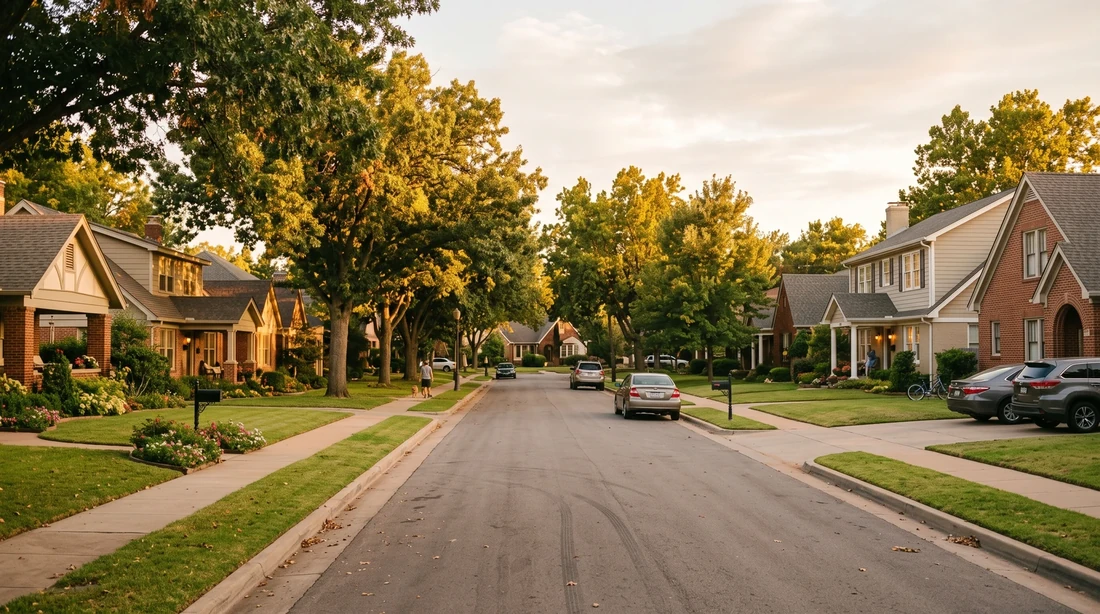
Yes — in most homeowner and renter policies, insurance can put you in a rental house instead of a hotel. Additional Living Expenses (ALE) exists to maintain your normal standard of living while you're displaced, and carriers list "hotel or rental home charges" as equally valid temporary housing. A furnished house with a kitchen often costs the carrier less per month than two hotel rooms.
Key Takeaways
- Most homeowner and renter policies let Additional Living Expenses pay for a rental house, not only a hotel room.
- Carriers list hotel or rental home charges side by side, and ALE aims to maintain your normal standard of living.
- ALE reimburses only costs above your normal living expenses, so cheaper comparable housing makes the coverage last longer.
- A rental kitchen removes the restaurant meals a hotel stay bills to ALE, and pet boarding can be a reimbursable cost.
This guide covers what ALE says about rental homes, what "comparable housing" means for a family with kids and pets, why a hotel often costs the carrier more than a furnished house, and the exact order to ask your adjuster in.
You've read the threads too. A family of four crammed into one hotel room for six weeks. Two adults, a baby, a large dog, and a couple of reptiles told there's "only hotels" on the claim. Most of that frustration comes from one myth: that ALE means a hotel and nothing else. It doesn't.
Your adjuster approved temporary housing after a tree strike, kitchen fire, or burst pipe, and you assumed a hotel was your only choice. It wasn't. The coverage language supports a rental home, and the request usually helps the carrier's budget too.
Every night in a hotel without a kitchen also bills restaurant meals to your ALE. The NAIC notes those meals are reimbursable for one reason: the room has no stove. A kitchen-equipped rental erases that entire expense category and stretches how long your coverage lasts.

Does ALE Cover a Rental House or Only a Hotel?
ALE is designed to keep you living the way you normally do. It was never meant to warehouse you in the cheapest room available. Liberty Mutual describes ALE as coverage that lets displaced policyholders maintain "their normal standard of living" during a covered loss, and it lists "hotel or rental home charges" side by side as acceptable housing.
That pairing matters. Insurance.com lists "hotel or temporary rental costs" together. The Oklahoma Insurance Department, in its After the Disaster guidance, describes ALE as covering the "temporary living expenses of a separate residence while you rebuild." A separate residence (a house or an apartment) sits squarely inside that definition.
FEMA's parallel disaster program spells out the same range even more plainly. Its Rental Assistance "may be used to rent a house, apartment, manufactured home, recreational vehicle, or efficiency unit at a hotel or motel." The house comes first on the list. Temporary housing has never meant hotel-only.
What Does "Comparable Housing" Mean for My Family?
The governing idea is comparable housing, sometimes called "like kind and quality." If your damaged home has three bedrooms, a kitchen, laundry, and a yard for the dog, a single hotel room does not match it. You lost the kitchen, the space for your kids, and the room for your pets. ALE is meant to restore that standard rather than shrink it.
This is exactly the gap those displacement threads describe. A household with children and animals stuck in one room for weeks while repairs drag. The policy language was on their side the whole time. They just didn't know the word to use with the adjuster.
Here is the misunderstanding that traps families in hotels, next to what the coverage really says.
| What people assume | What ALE actually allows |
|---|---|
| "Insurance only pays for hotels." | Carriers list hotel OR rental home charges as valid ALE housing. |
| "A room is a room — take what they give you." | ALE aims to maintain your normal standard of living (comparable housing). |
| "Pets aren't the carrier's problem." | Pet boarding beyond normal daily care is a recognized, reimbursable ALE cost. |
| "Eating out is just what happens when you're displaced." | Restaurant meals are reimbursable only because a hotel has no kitchen — a rental kitchen removes that expense. |
| "A house costs the carrier more." | ALE reimburses only costs ABOVE normal living — cheaper comparable housing extends how long coverage lasts. |
Read that last row twice. The NAIC is explicit that ALE reimburses only the amount above your normal living expenses, so cheaper comparable housing makes the coverage last longer. A furnished house that comes in under two hotel rooms plus daily restaurant meals is often the option the adjuster prefers once you frame it that way.
Why Does a Hotel Usually Cost the Carrier More?
Two hotel rooms plus three restaurant meals a day, every day, for a family. That number climbs fast. A furnished home with a kitchen and laundry flattens it, so let's put some arithmetic on it.
Hypothetical: Say a tree comes through the roof of a family's three-bedroom home in northwest OKC. Two adults, a toddler, a large dog, and a couple of small pets, with repairs quoted at about three months.
- Hotel path: Two connecting rooms at roughly $150/night = $300/night, about $9,000/month. Restaurant meals for the family in the ballpark of $70/day = ~$2,100/month. Pet boarding for the dog because the hotel won't take it, say ~$700/month. Rough monthly total of about $11,800 with the family is still living out of suitcases.
- Furnished-home path: A pet-friendly furnished 3-bedroom with a full kitchen, fenced yard, and laundry at a monthly rate. Groceries replace most restaurant spend, the dog stays with the family, and the kids have room. In many cases the all-in monthly figure lands below the hotel-plus-meals total, which is the cheaper-comparable-housing scenario NAIC describes.
Over three months the difference adds up, and every dollar saved is ALE budget that stays available if repairs run long. Figures are illustrative. Your rates, meal costs, and policy limits decide the real math.
Displaced in the OKC metro with kids or pets and stuck in a hotel? BnB OKC has furnished whole homes with kitchens, yards, and pet-friendly policies — and we can set up direct billing with your carrier or TPA once it's authorized. Same-day options.
What Does This Mean for a Displaced Oklahoma Family?
If you've been displaced by a tornado, fire, or water loss in the OKC metro, you can ask your adjuster for a comparable furnished rental instead of accepting a hotel by default. Oklahoma's storm season peaks April through June. Every spring the same hotel-room bottleneck plays out across displacement threads.
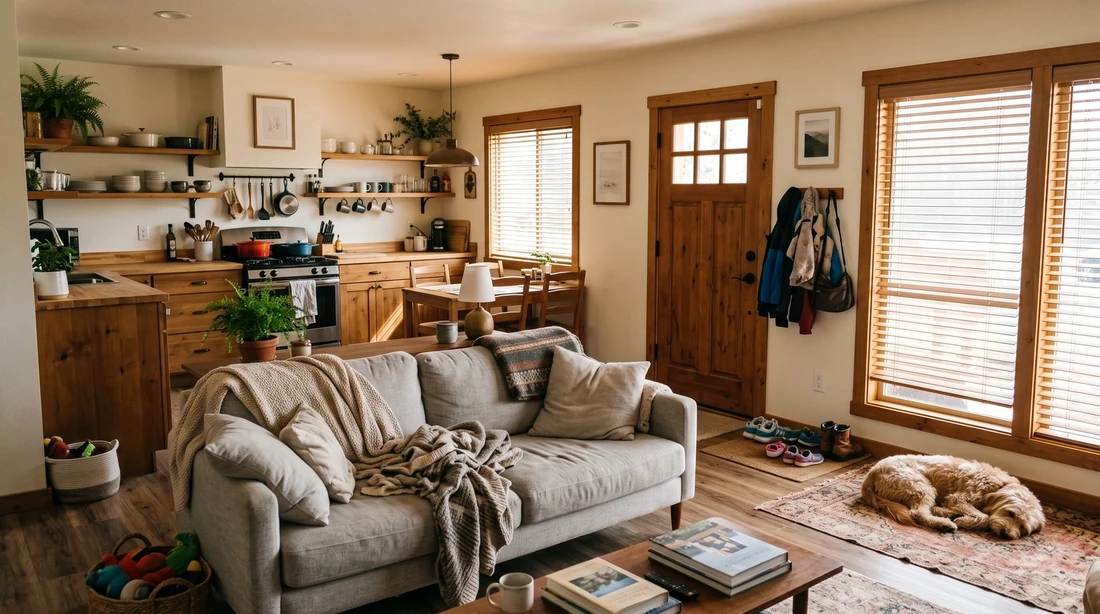
A furnished home changes the outcome for exactly the households those threads describe. A kitchen so you're not billing three restaurant meals a day. Laundry so you're not hauling clothes to a laundromat. Bedrooms so your kids have their own space, and a fenced yard so the dog stays with the family instead of a boarding kennel. Several BnB OKC homes are dog-friendly and offer monthly rates on 30+ night stays.
Local operators matter here in a way a national aggregator can't. We can talk directly with your adjuster or a TPA like Alacrity Solutions about direct billing, and we know the metro: homes near Mercy and Integris hospitals, near Lake Hefner, across from OU Medical Center at our Capitol Manor property, and minutes from Will Rogers Airport if family is flying in to help.
If you host or rent in the metro, note that local short-term-rental rules still apply to placements. See OKC short-term rental rules and the OKC Airbnb enforcement crackdown. In neighboring Norman, licensing and tax rules differ, so read the Norman short-term rental license guide and the Norman hotel tax increase.
How to Ask Your Adjuster for a Rental Home, Step by Step
You don't demand. You frame it as comparable housing that maintains your standard of living and often saves the carrier money. Do it in this order.
- Confirm your ALE limit. Find the "loss of use" or Additional Living Expenses line on your declarations page and ask your adjuster for the dollar cap and any time limit.
- State your normal standard. Tell the adjuster your home's bedroom count, that you have children and pets, and that you need comparable housing, which is the language the policy uses.
- Propose the furnished rental. Ask specifically for a furnished home with a kitchen and pet accommodation instead of a hotel, and note it can cost less than rooms plus daily restaurant meals.
- Get the direct-billing answer in writing. Ask whether the carrier or TPA will bill the housing provider directly, and request that authorization by email.
- Keep every receipt. Save lodging, grocery, and pet-boarding receipts. ALE is substantiated by documentation of costs above your normal living expenses.
What to Check Before You Accept a Hotel
- You were told "only hotels." Carriers list hotel or rental home charges as valid ALE housing. Ask for the policy language.
- One room for a family with pets. That is a downgrade from your normal standard. Use the words "comparable housing" and "like kind and quality."
- The dog is headed to a kennel. Pet boarding beyond normal daily care is a reimbursable ALE cost, so a pet-friendly home can remove that charge entirely.
- Three restaurant meals a day on the claim. Those meals are reimbursable only because the room has no kitchen. A rental kitchen cuts the whole category.
- No direct-billing answer in writing. Get the authorization by email before you move.
- Thin receipts. ALE pays only documented costs above normal living, so keep everything.
When Is a Hotel the Right Call?
Be honest with yourself about the stay. If you're displaced for one or two nights, you're a single traveler, or you have hotel loyalty points you want to burn, a hotel is simple and probably fine. Short stays don't justify the setup of a furnished home.
A furnished home changes the outcome when the displacement runs weeks or months, when you have children who need separate space, when you have pets that a hotel won't take, or when three restaurant meals a day are quietly draining your ALE budget. Repairs on storm or fire damage in Oklahoma routinely stretch past 30 days. That is the point where a kitchen, laundry, and a yard stop being luxuries and start being your normal standard of living.
Terms you'll hear, decoded
- Additional Living Expenses (ALE): The coverage that pays your extra costs (housing, meals, pet boarding) above normal living while you're displaced by a covered loss.
- Loss of use: The same coverage under a different name; check your declarations page for whichever term your policy uses.
- Comparable / like kind and quality: Housing that matches what you lost, meaning bedrooms, kitchen, and space for pets, rather than a downgrade to one room.
- Direct billing: When the carrier or TPA pays the housing provider directly, so you don't front the cost. It happens only with the carrier's authorization.
- TPA (third-party administrator): A company like Alacrity Solutions that handles housing placement and payment on the carrier's behalf.
The Bottom Line
ALE covers a rental home as readily as a hotel, and its whole purpose is to keep your normal standard of living. Ask for comparable housing, point out that a kitchen cuts the restaurant-meal line, and get the direct-billing answer by email. The carrier makes the final decision. The policy language is on your side.
This guide is general information, not insurance or legal advice; your carrier makes all coverage decisions.