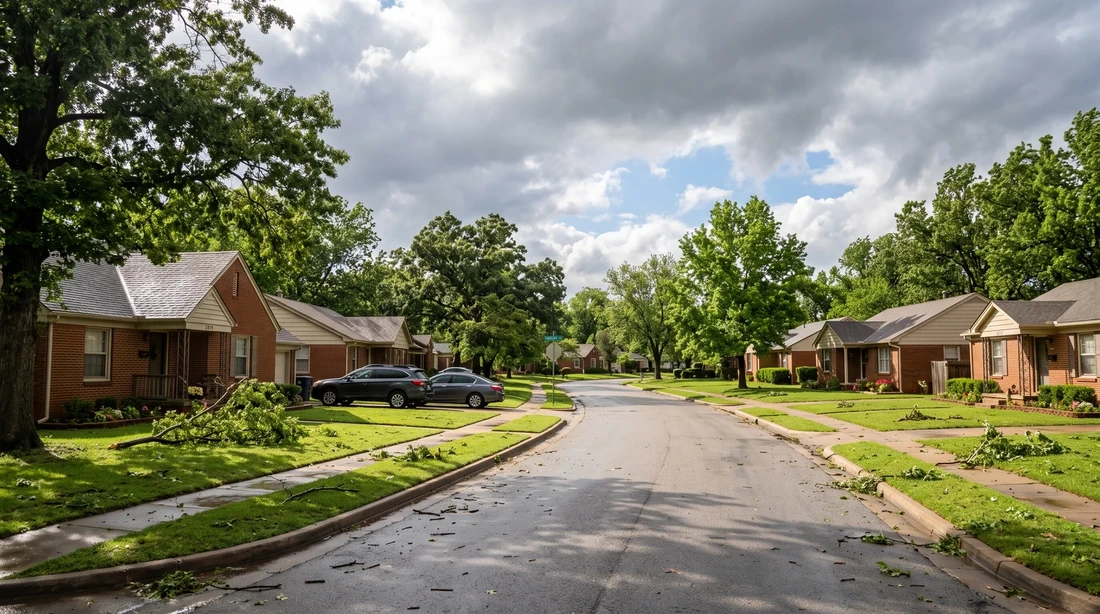
Renters insurance typically covers displacement through Loss of Use (Coverage D), also called Additional Living Expenses (ALE). When a covered peril, fire, smoke, tornado, wind, hail, or sudden water damage, makes your rental unlivable, it pays the extra cost of comparable temporary housing until repairs finish or your dollar limit runs out.
Key Takeaways
- Loss of Use is commonly 20% to 40% of your personal property limit — a fixed dollar amount, not an open tab.
- Two tests apply: a covered peril must cause the damage, and the unit must actually be unlivable.
- Fire, smoke, wind, hail, lightning and sudden water discharge typically pay; flood, slow leaks, mold and lease disputes do not.
- Switching from nightly hotels to monthly furnished housing once repairs pass two to three weeks typically doubles limit stretch.
What this guide covers: the two tests that decide whether renters insurance pays for displacement, every common trigger and what it pays, what a long hotel stay does to your limit, a worked hail example with the math, and what your landlord does and doesn't owe you.
A hailstorm punched a hole over your unit last night, water is running down the wall behind your TV, and the property manager just used the word "months." That lurch in your stomach is normal. The small policy you almost forgot you carry was built for exactly this moment. Here is how renters insurance displacement coverage works, trigger by trigger, in plain English and Oklahoma City terms.
The real clock: OKC's tornado and hail season peaks April through June, and after a metro-wide storm, displaced renters and homeowners compete for the same short supply of family-sized housing. Meanwhile, every nightly hotel bill draws down a Loss of Use limit that never refills. The same dollars typically stretch roughly twice as far at a monthly furnished rate.

Does Renters Insurance Cover Displacement?
Yes, if two tests are met. Almost every standard renters (HO-4) policy includes Loss of Use coverage, commonly set between 20% and 40% of your personal property limit. If your personal property limit is $30,000, your displacement budget is typically somewhere between $6,000 and $12,000. That budget is a fixed dollar amount printed on your declarations page, and it won't stretch to cover whatever you spend.
Two tests decide whether it pays. First, a covered peril must have caused the damage. Fire, smoke, wind, hail, lightning, and sudden water discharge typically qualify. Second, the damage must make your unit unlivable, either in the adjuster's judgment or by an official order like a red tag.
The word "additional" matters just as much. Loss of Use pays costs above your normal living expenses, meaning the gap between what you usually spend on rent and food and what displacement forces you to spend. If your normal rent stops during repairs, more of your housing bill counts as "additional."
The full mechanics (sub-limits, time caps, fair rental value) live in our guide to loss of use coverage explained, and the quick yes/no version is in does renters insurance cover temporary housing. This page maps every displacement trigger to what pays, and for how long. If you need housing lined up while you read, our insurance housing page is the direct route.
Why the cause of damage decides everything:
A "named perils" policy is one that provides coverage for a loss specifically listed on the policy; if it's not listed, then it's not covered.
Wikipedia: Home insurance
Which Displacement Triggers Pay, and for How Long?
Displacement coverage is peril-driven. The same three months out of your apartment can be fully paid, partly paid, or denied outright depending on what caused the damage. Use this table as your first-hour reference, then read the section below that matches your situation.
| Displacement trigger | Does Loss of Use typically pay? | How long / what to know |
|---|---|---|
| Fire or smoke damage in your unit | Yes | For the reasonable repair period, up to your dollar limit |
| Fire or smoke from a neighbor's unit | Yes, under YOUR policy | Your carrier pays now and may recover from the neighbor later |
| Tornado, wind, or hail damage | Yes | Full repair period; timelines stretch after metro-wide storms |
| Lightning strike | Yes | Same treatment as fire |
| Burst pipe or sudden water discharge | Yes | Includes drying-out days when the unit is unusable |
| Flood (rising outside water) | No | Excluded; NFIP contents policies generally pay no ALE either |
| Sewer or drain backup | Often no | Needs a backup endorsement on many policies |
| Slow leak or long-term mold | Usually no | Maintenance exclusions apply; cause of loss controls |
| Civil authority evacuation (covered peril nearby) | Yes, briefly | Commonly capped around two weeks on many policies |
| Building condemned after a covered peril | Yes | Treated as part of the underlying storm or fire claim |
| Building condemned for code violations or neglect | No | Landlord-tenant issue, not a covered peril |
| Landlord renovation, sale, or lease non-renewal | No | A lease matter, insurance never triggers |
| Earthquake | No, unless endorsed | Requires a separate earthquake endorsement in Oklahoma |
| Pest or bed bug infestation | Usually no | Standard policies treat infestation as excluded |
Fire and smoke, including a fire that started in a neighbor's unit
This is the trigger renters misunderstand most. When a neighbor's kitchen fire smokes out your unit, your own policy houses you, and you do not wait on the neighbor's insurance. File with your carrier the same day. It pays your displacement costs now and can pursue the responsible party's insurer later through subrogation.
Smoke and soot alone can make a unit unlivable even when flames never touched your door. Professional smoke remediation can take weeks, and adjusters routinely approve housing for it. For the full playbook (what the first 72 hours look like, what receipts to keep), see temporary housing after a house fire.
Tornado, wind, and hail: Oklahoma's big three
Wind and hail are covered perils on standard renters policies, and in the OKC metro they cause more displacement than fire. The usual chain: hail or wind opens the roof, water gets into ceilings and walls, and drying plus roof plus interior repair runs anywhere from six weeks to several months.
The fight here is rarely "covered or not." It's habitability. A tarped roof, soaked carpet, or half the unit without power sits in a gray zone, so ask your adjuster for a written habitability determination on day one. After a metro-wide storm, expect repair timelines to stretch. Every roofer and restoration crew in the metro is booked, which is exactly why storm-season displacements often run 60 to 120 days rather than the 30 the first estimate promised.
Water damage: where the covered/excluded line runs
Sudden and accidental water discharge typically triggers Loss of Use. Think of a burst pipe, a failed water heater, a washing machine hose, or an overflow from the unit above. Water from a neighbor's unit works like fire from a neighbor's unit: claim on your own policy first.
OKC also has a second displacement season most renters forget, which is winter. Ice storms and hard freezes between December and February burst pipes across the metro, and a frozen-pipe discharge is typically covered the same way a spring storm is. That includes the drying-out days when fans and dehumidifiers make the unit unusable even if nothing structural broke.
Rising water from outside is different. Flood is excluded from renters policies, and NFIP contents policies generally include no loss-of-use payments at all, so flood displacement is often out of pocket unless a private flood policy adds it. Sewer and drain backup usually needs its own endorsement. Mold pays only when it grew out of a covered sudden loss, and a slow leak you or the landlord ignored lands in the maintenance exclusion.
Condemnation, evacuations, and the "not covered" list
With condemnation, the cause controls everything. A building red-tagged because a tornado compromised the structure is part of the storm claim, so Loss of Use pays. A building condemned for code violations, deferred maintenance, or a failed inspection involves no covered peril, so the policy stays silent and your remedy runs through the lease and landlord-tenant law. If your carrier says no and you believe the cause was a covered peril, our guide to what to do when insurance denies temporary housing walks the appeal path.
Civil authority coverage handles the evacuation scenario. When officials block access to your home because a covered peril damaged neighboring property (a gas fire down the block, a tornado debris field), many policies pay housing for a short window, commonly around two weeks. It does not trigger for precautionary weather warnings or power outages alone.
Here's the rest of the not-covered list, so nothing surprises you: landlord renovations or lease non-renewal (a lease matter), eviction, pest infestations, utility outages, and earthquakes without a specific endorsement. Check that last one in Oklahoma, where quakes are a real line item on many policies.
What Does Displacement Cost, and What Does Waiting Do to Your Claim?
A displaced family of four paying nightly hotel rates in Oklahoma City can burn through a typical $9,000 to $12,000 Loss of Use limit in five to six weeks. The peril decides your coverage. What you do in the first two weeks decides whether the money lasts.
- Nights 1 to 3: You book an emergency hotel on your own card. Fine, this is what the coverage is for. Keep every folio; undocumented nights are the first thing disputed later.
- Week 1: No written housing parameters from the adjuster yet. Every dollar you spend without a documented approval is a dollar you may have to argue for. Push for the approved nightly or monthly amount in writing.
- Weeks 2 to 4: Still on nightly rates. Two hotel rooms plus three restaurant meals a day can run double the daily cost of monthly furnished housing, and none of that pace is recoverable once spent.
- Weeks 5 to 8: On hotel math, this is where a mid-sized limit hits zero. Extensions and goodwill get much harder to negotiate after the money is gone.
- Weeks 9 to 12: Repairs slip, and after metro-wide hail events they usually do. Everything past your limit is out of pocket, at exactly the moment you're also replacing furniture and clothes.
An OKC-specific twist makes the nightly path even worse: the storm calendar collides with the event calendar. A late-April hail claim puts you hunting rooms the same weekend the OKC Memorial Marathon fills downtown. A late-May tornado drops you into Women's College World Series crowds around Devon Park. A September wind claim lands during the State Fair of Oklahoma. Hotel rates typically climb toward those dates, right when a metro-wide storm has already tightened supply. Monthly furnished rates don't ride the event calendar.
So convert from nightly to monthly housing the moment repairs are scheduled past two to three weeks. That single decision typically doubles how far the same limit stretches.
Displaced by storm or fire damage in the OKC metro? We place insurance families in furnished homes, including adjuster- and TPA-arranged stays through partners like Alacrity Solutions, with monthly rates, itemized invoices, and same-day answers. Start an insurance housing request or call/text (405) 870-2146.
What Are Your Housing Options While Displaced?
A furnished three-bedroom on a monthly rate in OKC typically costs about what two hotel rooms cost in two weeks. Here's how the realistic options stack up for a household of four over a 90-day repair, and what disqualifies each one.
| Option | Ballpark monthly cost | What disqualifies it |
|---|---|---|
| Two standard hotel rooms | ~$8,000-$8,700 plus restaurant meals | No kitchen or laundry; fastest possible ALE burn |
| One extended-stay suite | ~$3,300-$4,500 | Four people in one room for 90 days; kitchenette only |
| Furnished 3-bedroom home (monthly rate) | ~$3,500-$4,500 all-in | Usually needs a 30+ night commitment |
| Staying with relatives | $0 lodging | ALE pays little beyond incidentals; hard past a few weeks |
Hotels win short stays and lose long ones. The full nightly-rate math is in does renters insurance cover hotel stays. Extended-stay suites price well but compress a whole household into one room with a two-burner kitchenette, which most families tolerate for two weeks and regret at week eight.
A furnished home restores what displacement took: separate bedrooms, a full kitchen so food spending returns to normal, and in-home laundry for smoke- or water-affected clothes. Our 11 furnished homes across the OKC metro sleep 2 to 16+, several are dog-friendly (see pet-friendly rentals in OKC), and they average 9.5 out of 10 across 1,580 verified guest reviews on Airbnb and Vrbo. Published from-rates run $225 to $425/night, with monthly rates on 30+ night stays and up to 35% savings when you book direct for 4+ nights. Browse extended stays or all properties to match your headcount.
Location matters as much as headcount, because your policy funds a comparable standard of living, and adjusters generally accept housing that keeps your commute and your kids' school run intact. Our homes sit across the metro: near Lake Hefner and The Village on the northwest side, close to the Paseo and Plaza districts centrally, and about six minutes from Will Rogers World Airport to the southwest. A displacement in your part of town shouldn't mean a 40-minute cross-metro drive every morning for three months.
How Does the Math Go for a Family of Four With a Hail-Damaged Roof?
This scenario is hypothetical, but the arithmetic is the arithmetic. Say a spring hailstorm opens the roof over your OKC apartment, water ruins the ceilings, and the repair estimate is three months. Your renters policy shows $30,000 personal property and a Loss of Use limit of $12,000. Your normal rent is $1,250/month, and your lease abates rent while the unit is unlivable, so your normal housing cost of $3,750 over three months goes away.
The base case: 90 days, rent abated
Path A, nightly hotel rooms: two rooms in the ballpark of $139/night each is $278/night, times 90 nights = $25,020. Add roughly $900/month in extra restaurant spending with no kitchen = $2,700 more. Total extra spend about $27,720. Subtract the $3,750 rent you no longer pay and the ALE draw is about $23,970. Against a $12,000 limit, the coverage runs dry around week six, leaving roughly $12,000 out of pocket.
Path B, a furnished three-bedroom at a monthly rate of $3,900: $3,900 × 3 months = $11,700. With a full kitchen, grocery spending stays normal, so there's no added food line. Subtract the $3,750 rent offset and the ALE draw is $7,950. That sits inside the $12,000 limit with about $4,050 of headroom for the deductible on contents, pet costs, mileage, and utility differences.
Variant one: repairs slip to 135 days
After metro-wide hail events, timelines slip, so run the same family at 4.5 months. Furnished path: $3,900 × 4.5 = $17,550, minus a rent offset of $1,250 × 4.5 = $5,625, for an ALE draw of $11,925. That's inside the $12,000 limit by $75. Tight, but it survives the slip. The hotel path was already roughly $12,000 underwater at 90 days.
At 135 days ($278 × 135 = $37,530 plus about $4,050 in extra meals, minus the $5,625 offset) the draw hits roughly $35,955, around $24,000 of it uncovered. When the margin is that thin, a few percent off the monthly rate matters, and that's part of what direct-booking savings exist for.
Variant two: your lease does not abate rent
If you must keep paying the $1,250 rent, carriers typically count only costs above it as "additional." Since you're paying both rents, the entire temporary-housing bill is the addition. Furnished path: $3,900 × 3 = $11,700 draw, leaving only about $300 of headroom instead of $4,050. Hotel path: the full $27,720 counts, roughly $15,700 of it beyond the limit. Same family, same storm, and the lease's casualty clause alone swings the outcome by thousands. That's why reading it is step one of the landlord section below.
How to Use Renters Insurance Displacement Coverage, Step by Step
- Get safe and report the claim. Call your carrier's claims line the same day, get a claim number, and photograph the damage before anything is moved.
- Confirm your Loss of Use limit. Pull your declarations page and find Coverage D. That dollar figure is your entire displacement budget.
- Ask the adjuster for written housing parameters. Get the approved nightly or monthly amount, the expected duration, and the receipt requirements in writing.
- Save every displacement receipt. Keep hotel folios, rental invoices, meal receipts, pet boarding, and mileage. Additional costs are paid only when documented.
- Move to monthly furnished housing fast. Switch from nightly hotel rates to a monthly furnished rental as soon as repairs are scheduled to run past two to three weeks.
- Request extensions in writing before checkout. If repairs slip, send the adjuster the contractor's updated timeline two weeks before your housing end date.
Who Handles What: You, Your Adjuster, or Your Host?
Displacement claims stall when everyone assumes someone else owns a task, and this checklist prevents that. Some carriers also route housing through a placement firm or TPA; here's how ALE housing companies work when one is involved.
| Task | Who owns it | What "done" looks like |
|---|---|---|
| Report the loss | You | Claim number and adjuster contact in hand |
| Declare the unit unlivable | Adjuster / carrier | Written habitability determination |
| Set the housing budget and duration | Adjuster / carrier | Approved nightly or monthly cap, in writing |
| Find and book housing | You (or a placement firm) | Monthly rate confirmed; itemized invoice promised |
| Bill the carrier directly | Host + carrier | Written direct-billing authorization on file |
| Track and submit receipts | You | Every folio, invoice, and meal receipt saved |
| Extend the stay | You + adjuster + host | Contractor timeline sent; extension approved before checkout |
If an adjuster or TPA has already approved housing for your household, you can check real availability at our insurance housing page or text your dates and headcount to (405) 870-2146 for same-day answers.
What Counts as "Additional," Expense by Expense?
Loss of Use reimburses the increase over your normal spending, expense by expense. It won't fund your whole cost of living while displaced. The mechanics matter most on food. If you normally spend $800/month on groceries and displacement with no kitchen pushes you to $1,650/month eating out, the $850 increase typically counts, and the rest of the $1,650 doesn't.
| Expense | Typically reimbursable? | What to know |
|---|---|---|
| Temporary lodging (hotel or furnished rental) | Yes | The core benefit; the amount above any rent you stop paying |
| Meals above your normal grocery spend | Yes, the increase only | Carriers compare against your normal food budget |
| Laundry and dry-cleaning | Often | Common for smoke- or water-affected clothes; ask first |
| Pet boarding or pet fees | Often | When they stem from the covered loss; approval varies |
| Extra commuting or school-run mileage | Often | Miles above your normal routes, logged and dated |
| Storage of undamaged belongings | Often | While the unit is under repair |
| Utility setup or transfer fees | Often | Internet, electric, water at the temporary address |
| Furniture or appliance rental | Sometimes | Get written approval before committing |
| Replacement furniture and clothing | No, different coverage | That's personal property (Coverage C), not ALE |
| Lost wages or income | No | ALE is a housing-cost benefit, not income replacement |
Two habits keep every line on this table payable. First, ask the adjuster before you commit to any non-lodging expense. Pre-approved costs almost never get disputed, and surprise costs often do. Second, ask whether your deductible applies to Loss of Use at all. Many policies leave it off this coverage, though only your adjuster can confirm yours.
Which Situations Change the Displacement Answer?
Two renters with identical policies and identical damage can see very different displacement payouts. Household makeup, lease type, and roommates all move the math.
Roommates on separate policies
An unrelated roommate typically isn't covered by your renters policy unless they're named on it, so in a shared unit, each roommate's own Coverage D funds their own displacement. That's workable. Two roommates each carrying a $6,000 Loss of Use limit can split a furnished two-bedroom at roughly $3,400/month ($1,700 each) with separate itemized invoices, and each stays inside their own limit across a three-month repair. Ask the host for split billing up front; it's a routine request on insurance stays.
Kids, schools, and staying in your part of town
"Comparable standard of living" typically includes staying reasonably close to work and school, and adjusters generally accept housing that keeps children in their current school. The OKC metro spans many school districts, and most families can avoid a mid-repair school change by naming the constraint early. Tell the adjuster the school boundary you need to stay inside before housing is approved.
You work from the unit
If your rental was also your workplace, the housing choice controls your income continuity, and ALE will not replace lost earnings. A hotel room with shared wifi is a very different workweek from a furnished home with a spare bedroom and residential internet. Weigh that gap when you compare options, because the policy won't make up the difference.
Staying with relatives first, converting later
ALE pays "additional" costs, and a free guest room generates almost none. Some carriers will consider a documented, reasonable payment to the host household, but never assume it; ask first. The hybrid path often preserves the most limit of all. Stay with family through the chaotic first week or two, then convert straight to a monthly furnished rate once the repair timeline is in writing, skipping the expensive nightly-hotel phase entirely.
Month-to-month tenants and permanent relocation
If you rent month-to-month, the carrier may decide permanent relocation makes more sense than waiting out repairs. In that case, payments typically cover the shortest reasonable time to secure a new permanent rental (often weeks rather than the full repair period), and costs like application fees and security deposits on the new place generally aren't reimbursed. Get the carrier's position on repair-versus-relocate in writing early, because it caps your housing runway.
What Does Your Landlord Owe You, and What Does Your Policy Cover?
Your landlord's property insurance covers the building. It does not pay for your belongings or your temporary housing. That single misunderstanding delays more renter claims than any exclusion. Displaced tenants wait weeks for the landlord's carrier to "take care of them," and it never will, because tenant relocation falls to your own policy.
"Renters insurance relocation assistance" isn't a separate product either. When a carrier or agent uses the phrase, they mean the same Loss of Use / ALE coverage this guide describes. There's no second bucket of relocation money hiding in a standard policy.
What your landlord may owe you comes from the lease and state law. Insurance has nothing to do with it. Many leases abate rent while a unit is unlivable, and state landlord-tenant law may also let you terminate or stop paying rent when a rental is destroyed or condemned. Read your lease's casualty clause, ask the landlord's position in writing, and don't keep paying full rent on an unlivable unit without an answer. That's general information and not legal advice, so confirm your specific rights.
Two edge cases matter here. If the landlord's neglect caused the loss (say, a long-known roof problem), your carrier may still pay your covered displacement and then pursue the landlord through subrogation, so you don't have to litigate first to get housed. And if the cause was never a covered peril at all (condemnation for code violations, a renovation eviction), insurance stays out entirely. Your options then come from the lease, the housing authority, and, in Oklahoma, the consumer resources listed at the end of this guide.
What Should You Check in the First Week?
- You have a claim number and the adjuster's contact.
- The habitability determination is in writing.
- The approved nightly or monthly housing amount is in writing.
- You know your Coverage D figure and what your lease says about rent abatement.
- Any direct billing is authorized in writing before you move in.
- Non-lodging expenses are approved before you commit to them.
When Is a Hotel the Right Call?
For displacements under roughly two weeks, a hotel usually beats everything else. Civil-authority evacuations capped around 14 days, a single renter with a small Loss of Use limit, or anyone banking loyalty points on a short stay should book the hotel and keep the folio. No furnished-home operator, us included, changes that math.
Run a hypothetical three-week smoke remediation to see it. One extended-stay suite in the ballpark of $150/night × 21 nights = $3,150, plus maybe $400 in extra meals with a kitchenette, comes to about $3,550 of ALE draw, done. A furnished home's 30-night minimum would cost more than the displacement itself requires. Short and known-short means hotel.
The calculus flips at three markers: repairs scheduled past 30 days, more than two people, or a pet. That's when the missing kitchen, missing laundry, and per-night pricing start consuming the limit that has to last the whole repair, and when a monthly furnished home changes the outcome, as the worked example above shows. If you're between those markers, run both numbers against your own Coverage D limit before committing.
Terms You'll Hear, Decoded
- Additional Living Expenses (ALE): the extra costs of living elsewhere during repairs, above what you normally spend.
- Loss of Use / Coverage D: the section of your renters policy that funds ALE. The printed dollar figure is your ceiling.
- Covered peril: a cause of damage your policy names or doesn't exclude. Every displacement payment has to pass through it.
- Habitability determination: the adjuster's written call that your unit is (or isn't) livable, which is the document that turns housing spending into covered spending.
- Civil authority coverage: short-term housing payments when officials block access to your home because a covered peril hit nearby property.
- Direct billing: the carrier or its TPA pays the housing provider directly, only with written authorization and never assumed.
- TPA (third-party administrator): a firm the carrier hires to manage housing logistics; it arranges and often pays for your placement on the carrier's behalf.
- Subrogation: your carrier pays you now, then recovers from whoever caused the loss (a neighbor, a landlord) later.
- Rent abatement: a lease or legal right to stop paying rent while your unit is unlivable. It changes what counts as "additional."
For coverage questions your adjuster can't resolve, the Oklahoma Insurance Department runs consumer assistance for exactly these disputes, and the City of Oklahoma City posts storm-recovery and debris-removal resources after major weather events.
Your Next Steps
- Pull your declarations page tonight and find the Coverage D (Loss of Use) dollar figure. Then check your lease's casualty clause, because rent abatement can swing your math by thousands.
- Get two things in writing this week: the adjuster's approved housing parameters and the contractor's repair timeline. Then run the nightly-versus-monthly numbers against your limit, including any school-boundary or pet constraints.
- If repairs will run past 30 days, start an insurance housing request or call/text (405) 870-2146 with your dates, headcount, and pets. We'll tell you the same day what's available.

Bottom Line
Renters insurance typically pays for displacement when a covered peril makes your unit unlivable, up to the Loss of Use figure on your declarations page. The cause of the damage decides coverage. How you house yourself decides how long the money lasts, so get the adjuster's numbers in writing and move to monthly housing once repairs run past a few weeks.
This guide is general information, not insurance or legal advice; your carrier makes all coverage decisions.