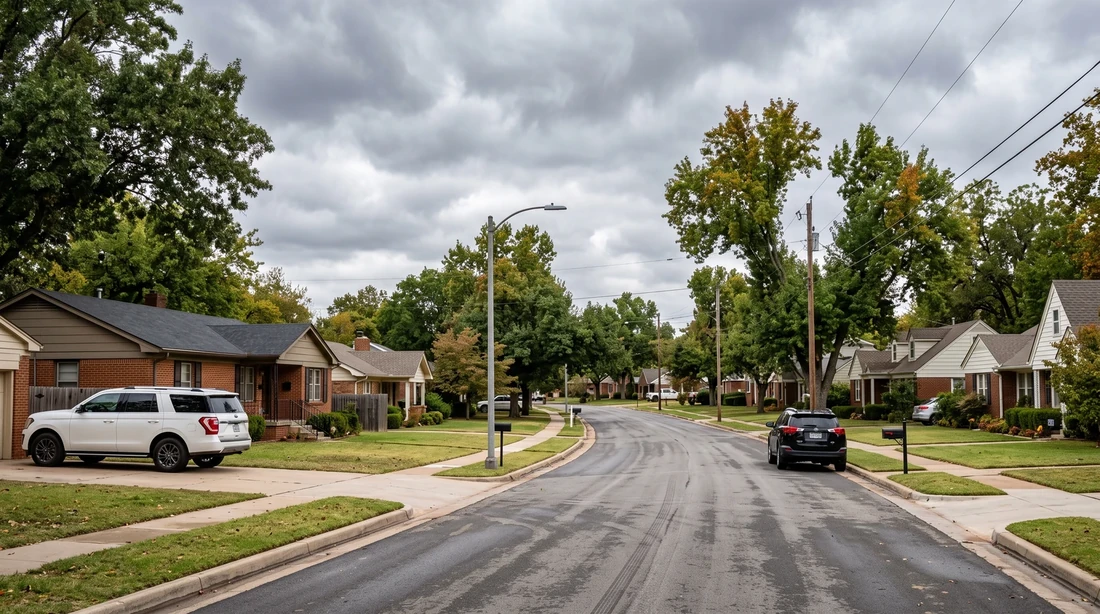
Governor Kevin Stitt signed HB 3781 on May 14, 2026, ending Oklahoma's "use-and-file" era. Starting July 1, 2027, home and auto insurers must file rate increases with the state and wait for review before charging you, and every increase gets published on the Oklahoma Insurance Department website. Rates won't drop overnight, but the process becomes public.
Key Takeaways
- Gov. Stitt signed HB 3781 on May 14, 2026; from July 1, 2027 filings require review before charging.
- Insurers must file at least 30 days ahead in competitive markets and 60 days in noncompetitive markets.
- Oklahoma's average annual home insurance premium is $5,298, which is 121.2% above the $2,395 national average.
- Additional Living Expenses coverage is a finite pool; comparing monthly furnished housing against nightly hotel costs affects how long it lasts.
This guide covers what HB 3781 changes about the way Oklahoma insurers raise home and auto rates, when the new process starts, why lawmakers acted now, and the one storm-season cost an Oklahoma City homeowner can still control while the law phases in.
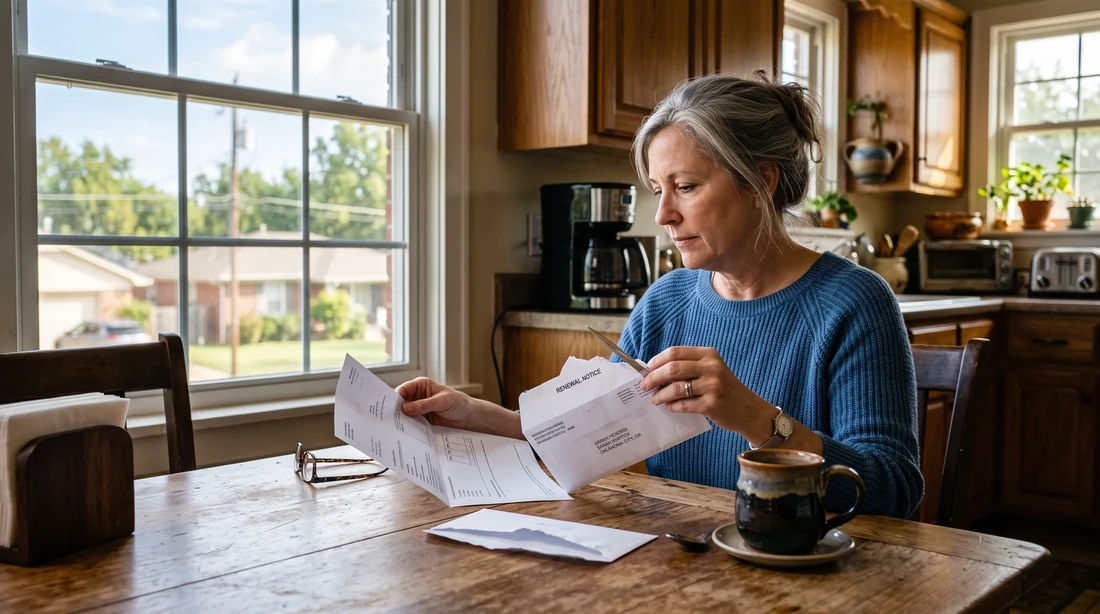
If you own a home in OKC and just watched your renewal premium jump again, this is the news you have been waiting to understand. Oklahoma is currently the most expensive state in the country for home insurance. Lawmakers just changed how those rate hikes get approved.
The new rate review rules do not take effect until July 1, 2027. Every premium increase between now and then still lands under the old use-and-file system, so the relief this law promises is structural and gradual. Your next renewal is still priced under today's rules.

What Did HB 3781 Change?
HB 3781 moves Oklahoma from a "use-and-file" insurance system to a "file-and-wait" system. The bill was authored by Rep. Stacy Jo Adams (R-Duncan) and Sen. Aaron Reinhardt (R-Jenks), and signed May 14, 2026.
Under the old use-and-file approach, an insurer could raise your home or auto premium first and file the paperwork with the state afterward. The increase was already in your bill by the time regulators saw it.
Under file-and-wait, the order flips. Insurers must submit a proposed rate increase to the Insurance Commissioner and give the state time to review it before the new rate can hit customers.
As Rep. Adams described it: "This new law requires insurance companies to file the new rate and give the insurance commissioner time to review them."
| Feature | Old system (use-and-file) | New system (file-and-wait) |
|---|---|---|
| When rate takes effect | Insurer charges first, files after | Insurer files first, waits for review, then charges |
| State review timing | After the increase is live | Before the increase is live |
| Waiting period | None required before charging | 30 days (competitive) / 60 days (noncompetitive) |
| Public disclosure | Not required to be published | Published on OID website, with % change |
| Commissioner's tool | Limited pre-emptive review | May request actuarial data on suspect rates |
Broader industry context on rate regulation:
Homeowners insurance has been relatively unprofitable, due in part to catastrophes such as hurricanes as well as regulators' reluctance to authorize price increases.
Wikipedia: Home insurance
How Long Must an Insurer Wait Before a New Rate Takes Effect?
The waiting period depends on how competitive the market is. Insurers must file at least 30 days before implementation in competitive markets, and at least 60 days in noncompetitive markets. During that window, the Insurance Commissioner may review the filing and request actuarial data when a proposed rate appears excessive, unfair, or discriminatory.
Then there is the public-transparency piece, which is the part most OKC homeowners will notice first. Rate increases affecting private passenger auto, homeowners multi-peril, or dwelling fire policies must be published on the Oklahoma Insurance Department website, including the overall percentage change. For the first time, you will be able to look up how much your insurer asked to raise rates statewide. Until now you only saw what showed up on your own renewal.
Why Did Oklahoma Pass This Now?
Oklahoma is the most expensive state in the nation for home insurance. According to LendingTree's June 2026 report, the average annual home insurance premium in Oklahoma is $5,298 (121.2% above the $2,395 national average). That is more than double what a typical American household pays.
The reason is written into the sky every spring. Oklahoma sits in the core of tornado alley, and OKC's own tornado season peaks April through June, layering hail, straight-line wind, and severe-storm losses onto insurers' books year after year. Those losses feed higher premiums. Under the old use-and-file rules, those higher premiums arrived with no advance state review.
HB 3781 does not cap rates or lower them. What it does is give the Insurance Commissioner a formal seat at the table before increases take effect, and it makes the size of those increases public.
When Does the New Rate Review Process Start?
The law is signed, but the mechanics roll out over more than a year. Here is the sequence.
| Date | What happens |
|---|---|
| May 14, 2026 | Gov. Stitt signs HB 3781 into law |
| May 2026 to June 2027 | Old use-and-file system still governs every rate increase; premiums continue under existing rules |
| July 1, 2027 | File-and-wait system takes effect; filing and publication requirements begin |
| After July 1, 2027 | New home/auto rate hikes filed in advance, reviewed by the Commissioner, and published on the OID website |
The takeaway for the next year-plus: this law changes the process, and it leaves your 2026 renewal alone. If a storm displaces your family before July 2027, you are still operating under today's rules. That makes the cost you can control more important, since the rate side is out of your hands for now.
What Does This Mean If a Storm Displaces You From Your OKC Home?
Here is the practical bridge. Whether HB 3781 eventually slows your premium growth or not, the single largest out-of-pocket exposure after a covered storm is where your family lives while the house is repaired, and how efficiently you spend the housing coverage your policy already includes.
Most homeowners policies include Additional Living Expenses (ALE), also called loss-of-use coverage. It reimburses the extra cost of living somewhere else while your home is uninhabitable after a covered loss. It is a finite pool of money. How you spend it decides whether it lasts the length of your repair.
This is the part insurers must cover under your existing policy regardless of what happens with rate law in 2027. It is also the part where a hotel and a furnished home produce very different math over a multi-month tornado-season repair.
Displaced by a storm and staring down a months-long repair? A furnished OKC home stretches your ALE budget further than back-to-back hotel nights, with a full kitchen, laundry, and room for the whole family under one roof.
Hotel vs. furnished home: how the ALE math differs
A furnished OKC home typically costs less per month than two hotel rooms booked for the same 30 nights. It also comes with the kitchen and laundry that keep everyday food and cleaning costs off your ALE receipts.
Take a hypothetical example (illustrative only; your carrier decides your coverage). Say a hailstorm makes your OKC home uninhabitable and repairs take four months. A family of five needs two hotel rooms to sleep everyone. At roughly $180/night per room, two rooms run about $360/night, around $10,800 a month, or roughly $43,200 over four months, before a single restaurant meal (which you would need without a kitchen).
A furnished multi-bedroom home keeps the family together, adds a kitchen and laundry, and at BnB OKC's monthly rates on 30+ night stays typically lands well under that hotel figure for the same stretch. The gap is ALE budget that stays available for the length of the repair instead of burning out early.
We work directly with Alacrity Solutions on insurance placements and offer monthly rates on 30+ night stays. BnB OKC operates 11 furnished homes across the OKC metro, sleeping 2 to 16+, and holds a 9.5 out of 10 average across 1,580 verified guest reviews on Airbnb and Vrbo. Two homes carry Airbnb's "Guest Favorite" badge.
How to Protect Your Budget After a Covered Storm Loss, Step by Step
If a storm displaces you before or after the new rate review law takes effect, the steps below keep your ALE coverage working as long as your repair does.
- Confirm your ALE limit. Find your loss-of-use line on your policy declarations; it is often a percentage of your dwelling coverage.
- Call your adjuster before you book. Get temporary-housing authorization in writing and ask whether direct billing is available.
- Compare monthly housing, not just nightly. Price a furnished home against the total hotel cost across your full estimated repair window.
- Keep every receipt. ALE reimburses documented costs above your normal living expenses, so save housing and food records.
- Book the length you need. Repairs run long in storm season; a 30+ night furnished stay locks a monthly rate and avoids nightly hotel creep.
What to Check Before You Count on This Law
- Expecting a rate cut. HB 3781 is a transparency and review reform. It will not lower your 2026 premium, and nothing in it promises smaller increases after July 2027. The Commissioner reviews filings, while the market and Oklahoma's storm losses still drive the numbers.
- Assuming the review already applies. Every increase before July 1, 2027 still runs under use-and-file.
- Mistaking a published percentage for your own bill. The OID website will show the statewide percentage an insurer asked for. Your renewal can still differ.
- Treating a storm displacement like a rate problem. The housing side runs on your existing ALE coverage today, no matter what happens with rate law in 2027.
- Booking hotel nights without a plan. A multi-month repair priced by the night is how an ALE pool burns out early.
Terms You'll Hear, Decoded
- Use-and-file: The old Oklahoma system where an insurer could charge a new rate first and file it with the state afterward.
- File-and-wait: The new HB 3781 system. Insurers file a proposed rate increase and wait for state review before charging it.
- Additional Living Expenses (ALE) / loss of use: The part of a homeowners policy that reimburses the extra cost of living elsewhere while a covered loss makes your home uninhabitable.
- Direct billing: An arrangement where the housing provider bills your carrier or TPA directly, only when the carrier authorizes it.
- Actuarial data: The loss and pricing statistics the Insurance Commissioner may now request when a proposed rate looks excessive, unfair, or discriminatory.
If you are also following OKC's short-term rental rules as a homeowner or host, our coverage of OKC short-term rental rules and the OKC Airbnb enforcement crackdown breaks down what is changing locally.
The Bottom Line
What changes under HB 3781 is your ability to see a proposed increase's percentage before it is locked in, and the state's window to question rates that look out of line. For a single-night traveler or a homeowner with no claim, none of this affects where you sleep tonight.
Where it matters most is the storm-displacement scenario: a family facing months out of the house, an ALE pool that has to last, and the choice between nightly hotel rooms and a monthly furnished home. If that is you, planning the housing side well is the one lever fully in your hands right now.
- Check your policy's ALE limit. Pull your declarations page and find the loss-of-use line so you know your housing budget before storm season peaks.
- Compare total repair-window cost. Add up what four months of hotel rooms would run versus a furnished monthly stay for the same dates.
- Line up housing early. Explore insurance housing options, or call or text (405) 870-2146 for same-day availability if you have been displaced.
This guide is general information, not insurance or legal advice; your carrier makes all coverage decisions.