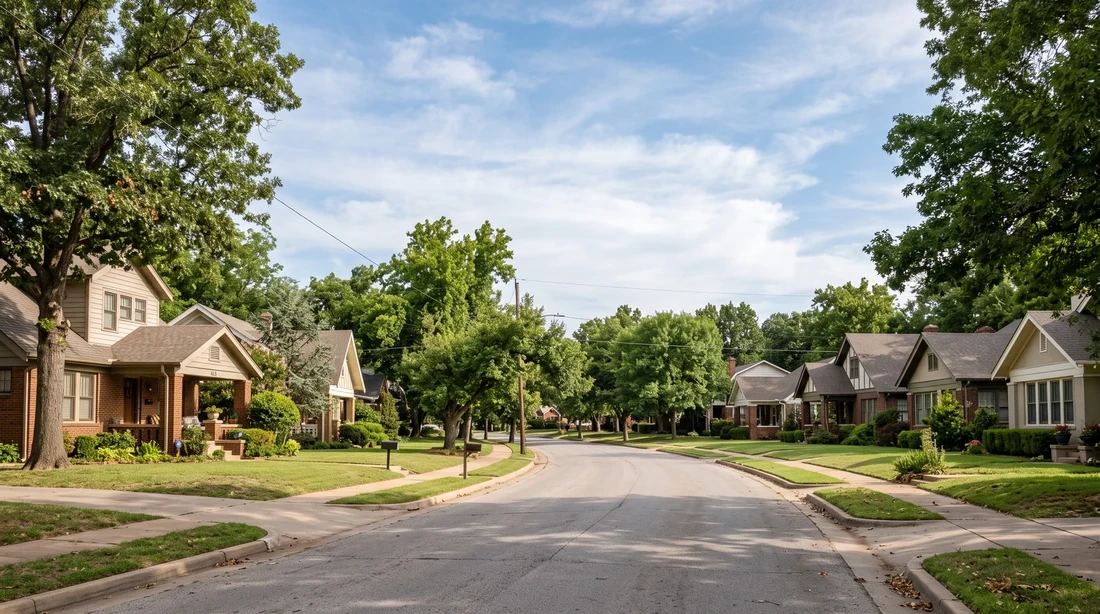
If you get a home insurance non-renewal in Oklahoma, your insurer must give you at least 30 days' written notice under state rule OAC 365:15-1-14 (a 2026 proposal would stretch that to 60 days). Don't panic and don't lapse: start shopping the 50-plus carriers actively writing here, call the Oklahoma Insurance Department at 800-522-0071, and lock a new policy before your old one ends.
A non-renewal is not a cancellation and it is not a mark against you the way a lapse is. It means your current insurer has decided not to offer you another term — and in Oklahoma right now, that letter is landing in more mailboxes than it used to. Farmers, the state's second-largest home insurer, non-renewed roughly 1,300 policies in eastern Oklahoma starting November 1, 2024 over wildfire exposure, and carriers statewide have tightened roof-age and aerial-image rules since.
The good news: the notice window gives you time, the market is not as empty as headlines suggest, and 2026 reforms could make the process fairer. Here is exactly what to do.
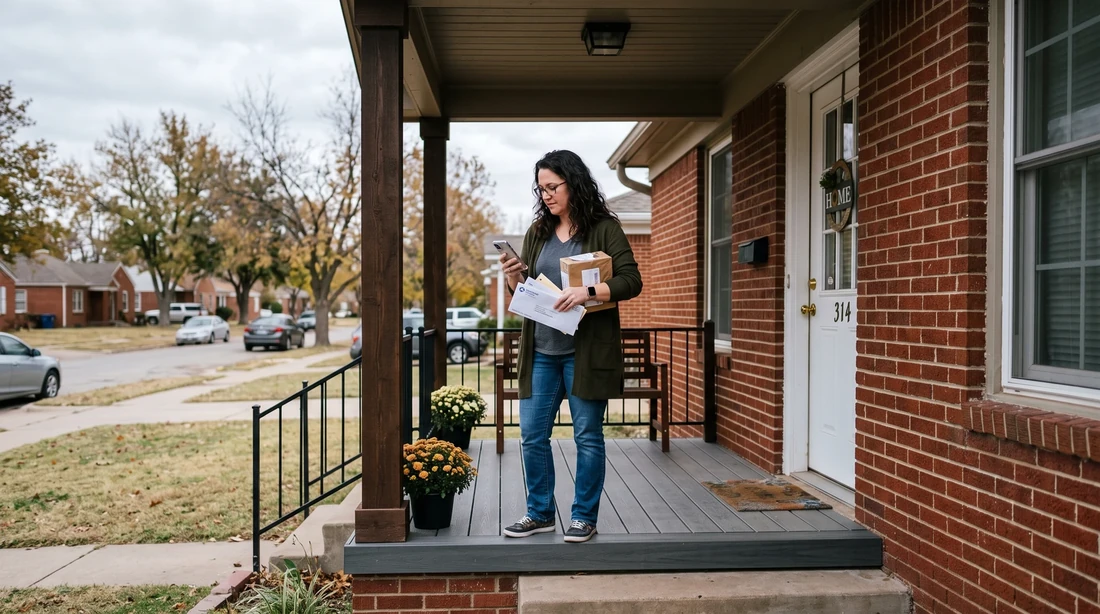
The clock is real: under current Oklahoma rule, non-renewal notice counts from the day the insurer mails it to your policy address — so a "30-day" letter may reach you with fewer than 30 days left. Read the effective date first, not the postmark.
Why Oklahoma Homeowners Are Getting Non-Renewal Letters
Oklahoma sits in one of the country's toughest weather corridors, and insurers are repricing that risk hard. Tornado season peaks April through June, hail is chronic, and wildfire exposure in the eastern part of the state pushed Farmers to non-renew about 1,300 policies beginning November 1, 2024.
Those losses show up as three moves you may recognize from your own letter: steeper premiums, roof-age restrictions, and non-renewals in higher-risk ZIP codes. A NerdWallet analysis in March 2026 found the cheapest Oklahoma carriers ranged from $4,365 (USAA) to $5,715 (Travelers) for identical $400,000 dwelling coverage — thousands of dollars apart for the same house.
What that spread proves is important: the market is stressed, but it is not closed. Commissioner Glen Mulready has said 113 companies offer homeowners policies in Oklahoma, and the Oklahoma Insurance Department reports 100-plus licensed carriers with 50-plus actively writing new policies. A non-renewal from one insurer is not a verdict from all of them.

What the 30-Day Non-Renewal Rule Actually Means
Under OAC 365:15-1-14, an Oklahoma insurer must give at least 30 days' notice before non-renewing a homeowners or other personal residential policy. That is the current rule as of early 2026, and the details matter.
- 30 days — minimum notice for non-renewing a personal residential (homeowners) policy.
- 10 days — the general notice window for a mid-term cancellation.
- 20 days — notice for non-renewal of non-residential lines.
- Counts from mailing — the notice period runs from the day the insurer mails it to your policy address, not the day you open it.
Non-renewal (they won't offer a new term when this one ends) is very different from cancellation (they end coverage mid-term, usually for non-payment or fraud). A non-renewal at the end of your term is far more common — and far more workable, because you have a defined runway.
What's Changing in 2026: Proposed Reforms
On December 10, 2025, the Oklahoma Insurance Department announced a reform package aimed squarely at the non-renewal problem — and fall 2025 interim studies at the Capitol had already put lawmakers on notice. These are proposals as announced, not enacted law, but they signal where the rules may head.
| Issue | Current rule (early 2026) | Proposed 2026 reform |
|---|---|---|
| Notice window | At least 30 days before non-renewal | Extend to 60 days |
| Roof age | Insurers may non-renew over roof age | Bar non-renewal solely because a roof is 15+ years old; allow an independent-inspection appeal showing 5+ years of useful life |
| Aerial images | Insurers may act on aerial/satellite photos | Bar non-renewal or denial based solely on aerial images |
| Transparency | No standard public reporting | Require insurers to file quarterly reports on non-renewals and market withdrawals |
If enacted, the 60-day window alone would nearly double your shopping runway, and the roof and aerial-image provisions target two of the most common triggers homeowners tell the state they don't understand. Until then, treat the current 30-day rule as your real deadline.
What Happens If You Do Nothing
Doing nothing turns a manageable non-renewal into an uninsured house — and a lapse follows you. Here is the sequence if you sit on the letter:
- Day 0 (mailing): the 30-day clock starts. You may see it a few days later.
- Coverage end date: your policy expires. If you have a mortgage, your lender will notice fast.
- Lender force-placement: your mortgage servicer buys "force-placed" coverage — typically far more expensive and protecting only the lender, not your belongings or liability.
- New quotes get harder: a lapse in coverage is a red flag to the next carrier and can raise your rate or shrink your options.
- A disaster during the gap: if a hail storm, fire, or tornado hits while you're uninsured, there is no loss-of-use budget to pay for anywhere to live — the worst-case collision this whole process exists to prevent.
If a coverage gap ever collides with a disaster, you'll need somewhere to live fast. BnB OKC keeps furnished homes across the metro ready for displaced families and works directly with adjusters and TPAs on placements.
The Oklahoma Non-Renewal Timeline, at a Glance
| When | What happened |
|---|---|
| Nov 1, 2024 | Farmers, the state's #2 home insurer, began non-renewing ~1,300 eastern Oklahoma policies over wildfire exposure |
| Fall 2025 | Interim studies at the Capitol — lawmakers hear from homeowners on rising rates and non-renewals |
| Dec 10, 2025 | Oklahoma Insurance Department announces a reform package (60-day notice, roof-age and aerial-image limits, quarterly reporting) — proposed, not enacted |
| 2026 session | Reforms move to the Legislature; current 30-day rule remains in force until any change is enacted |
How to Respond to a Non-Renewal Letter, Step by Step
Move in this order the day the letter arrives — the runway is short.
- Read the letter for the exact non-renewal date. Note the coverage end date, not the postmark, and count backward from there.
- Call the Oklahoma Insurance Department at 800-522-0071. Ask whether the stated reason is allowed and what your options are.
- Shop multiple carriers before your policy ends. Quotes ranged thousands apart for the same house — get at least three.
- Fix the flagged risk if you can. A new roof, tree trimming, or a wind mitigation upgrade can reopen doors.
- Never let your coverage lapse. Bind the new policy to start the day the old one ends.
A Worked Example: When the Gap Meets a Storm
The following is a hypothetical to show the math — your carrier and adjuster make all real decisions.
Say a family in northeast OKC gets a non-renewal letter dated the 1st, with coverage ending in 30 days. They plan to "deal with it next month." On day 34 — four days after the policy lapsed — a spring hail-and-wind event damages the roof and floods the kitchen. With no active policy, there is no loss-of-use coverage to pay for temporary housing.
If they had rebound coverage in place, a policy's loss-of-use limit might have funded a furnished home while repairs ran. A furnished 3-bedroom at BnB OKC on a monthly rate typically costs far less than 30-plus nights in two hotel rooms — and with direct-booking savings of up to 35% on 4-plus-night stays, a self-paid stretch is more survivable too. Without coverage, that entire bill lands on the family. The lesson isn't the storm — it's the four-day gap that shopping early would have closed.
For how loss-of-use pays for a place to live during repairs, see our insurance-housing hub.
What This Means If You're an Oklahoma Homeowner
A non-renewal in Oklahoma is a shopping problem with a deadline — not a dead end. With 50-plus carriers actively writing and quotes thousands of dollars apart, your immediate job is to compare, not to worry.
Two situations change the stakes. First, if you carry a mortgage, a lapse triggers expensive lender-placed coverage that protects the bank and not your family — so binding a replacement policy before the end date is non-negotiable. Second, if a covered disaster hits during any gap, there is no budget for temporary housing, which is where displacement gets financially brutal.
That second scenario is why a local operator matters. If your claim later approves temporary housing, or if you're self-paying through a repair, BnB OKC's 11 furnished metro homes — rated 4.8 stars across 1,247 verified guest reviews on Airbnb — work on monthly rates for 30-plus-night stays and coordinate directly with adjusters and Alacrity Solutions on placements. Several homes are dog-friendly, and they sleep from 2 to 16-plus.
Watching the wider news cycle around housing and local rules? Our okc-airbnb-enforcement-crackdown and okc-short-term-rental-rules guides cover the other half of OKC's housing-policy shifts.
When You Don't Need to Scramble
If your letter is a rate increase and not a true non-renewal, you have your full renewal cycle to compare — no lapse risk if you simply pay and shop calmly. And if you rent rather than own, a homeowners non-renewal doesn't touch your renters policy.
You do need to move fast when the letter states a hard non-renewal date, when you carry a mortgage, or when the stated reason (roof age, aerial image) is one the 2026 reforms may soon restrict — because catching that now, with the state's help, can change your outcome.
Terms You'll Hear, Decoded
- Non-renewal: your insurer chooses not to offer a new term when the current one ends — different from cancellation.
- Cancellation: coverage ends mid-term, usually for non-payment or fraud; Oklahoma's general notice is 10 days.
- Lapse: a period with no active coverage — it raises your next rate and can shrink your options.
- Force-placed (lender-placed) coverage: insurance your mortgage servicer buys when yours lapses; costly and protects only the lender.
- Loss of use / ALE: the part of a homeowners policy that pays additional living expenses — like temporary housing — while your home is unlivable after a covered loss.
- Useful life: the remaining years an inspector estimates a roof will function — central to the proposed roof-age appeal.
This guide is general information, not insurance or legal advice; your carrier makes all coverage decisions.