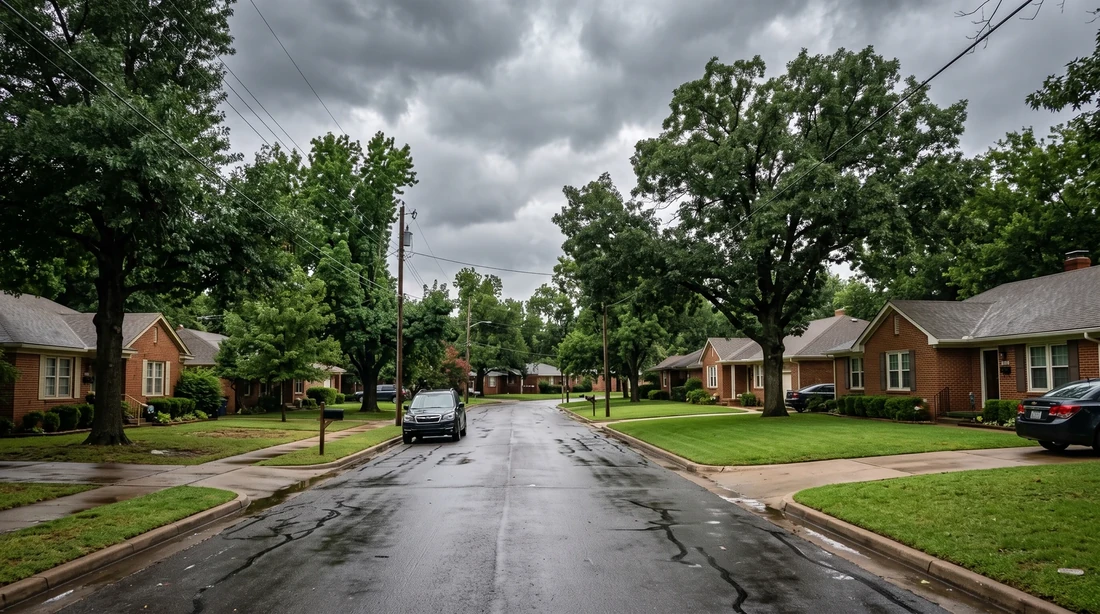
Pet friendly temporary housing after an insurance loss usually means a furnished rental, not a hotel. Many ALE (loss-of-use) policies reimburse pet boarding as an additional living expense — and most adjusters will fund a pet-friendly furnished home instead when you show it costs less than hotel-plus-boarding. Get two written quotes, send the math, keep every receipt.
Key Takeaways
- ALE often reimburses pet boarding at $30 to $50 per day per dog, because that cost exists only because you were displaced.
- Hotels typically cap pets at two, limit dogs near 50 pounds, charge $25 to $75 nightly fees, and prohibit unattended pets.
- For a family of four with two pets, hotel plus boarding runs $5,700 to $8,000 monthly versus $3,500 to $5,500 for a furnished home.
- In the article's 90-day example, hotel plus boarding totals about $23,310 of ALE versus $12,000 for a furnished pet-friendly home.
In this guide: why hotels fail families with pets after a loss, which pet costs ALE usually reimburses, how fast the hotel-plus-boarding path drains your budget, a three-month worked example, and how to get your adjuster to fund a pet-friendly furnished home.
Hail just opened your roof, your adjuster approved temporary housing, and now every hotel you call has a two-pet cap, a 50-pound limit, or a nightly pet fee. It feels like your dog is the problem. He isn't. The housing type is, and you can change it.
Every night on the hotel-plus-boarding path burns roughly $60 a day in pure pet costs: a typical $25/night hotel pet fee plus $35/day kennel boarding. Over a three-month roof repair, that's in the ballpark of $5,400 of your ALE budget spent before a single night's rent, meal, or load of laundry. And after a metro-wide hail event, kennels and pet-friendly rooms typically fill within days. The families who lock housing in the first 48 to 72 hours get the pick of it.

Why Do Hotels Fail Pet Families After a Storm Loss?
Most hotels cap pets at two, limit dogs to around 50 pounds, and charge $25 to $75 per night in pet fees. Those three policies disqualify a large share of displaced Oklahoma families before the first night.
The fee structures alone stack fast. Some hotels charge per night, per pet. Others charge a flat non-refundable "pet cleaning fee" of $100 to $250 per stay, and if your stay stretches past a few weeks, many make you re-book, which can trigger that fee again.
Then come the rules that make daily life unworkable. Most hotels prohibit leaving pets unattended in the room. So someone stays behind during every contractor meeting, school pickup, and grocery run, or housekeeping skips your room for weeks. A stressed dog barking in an unfamiliar room next to thin walls generates complaints, and complaints can end your stay mid-claim.
Add the practical problems. There's no yard, so every potty break is an elevator ride and a parking-lot walk. There's no kitchen, so restaurant meals stack on top of pet fees. And after a metro-wide hail or tornado event (Oklahoma's peak season runs April through June), thousands of families hit the phones at once, and the small pool of pet-friendly rooms books out first. In a bad spring, that pool shrinks in the exact week you need it most.
Adjusters default to hotels because it's the fastest first move. For a household with animals it's rarely the right one. Your job in the first week is to redirect that default, and the rest of this guide shows you how.
Policy language and interpretation vary by jurisdiction, which is worth remembering:
Further complicating matters is that the homeowners insurance industry is largely regulated at the state level rather than nationwide.
Wikipedia: Home insurance
Does Insurance Pay for Pet Boarding During Displacement?
Many ALE (loss-of-use) policies reimburse pet boarding after a covered loss, because boarding is a cost you would not have if you were still living at home.
The mechanics are easy to follow. ALE (Additional Living Expenses, sometimes labeled "loss of use") typically pays the costs above your normal living expenses while your home is uninhabitable. We break down the full coverage in loss of use coverage explained. The one-line version: if the expense exists only because of the loss, it's a candidate for reimbursement.
Pet boarding passes that test cleanly. At home, your dog costs you dog food. Displaced, that same dog costs you $30 to $50 a day at an OKC-area kennel. The difference is "additional," and many adjusters approve boarding receipts as a legitimate ALE expense. Not every pet cost qualifies, though, and mixing them up on a claim slows everything down. Here's how the common charges typically shake out:
| Charge type | Typical amount (OKC area, hypothetical) | Typically ALE-reimbursable? |
|---|---|---|
| Nightly hotel pet fee | $25–$75/night per pet | Often yes — exists only because of the loss |
| Non-refundable rental pet fee | $150–$400 one-time | Often yes — you don't get it back |
| Refundable pet deposit | $200–$500 | Usually no — it's returned at checkout |
| Pet rent | $25–$50/month per pet | Often yes, as part of the housing cost |
| Kennel boarding | $30–$50/day per dog | Often yes — an additional expense of displacement |
| Vet bills, medications | Varies | Typically no — not a living expense |
| Pet food and supplies | Varies | Typically no — you'd buy these at home anyway |
Every row above is a "typically." Your carrier reads its own policy language and makes the final call, so get each charge type confirmed in writing before you spend weeks accruing it.
Most families never make the stronger argument. ALE is generally designed to maintain a comparable standard of living. If your normal standard of living includes your pets living with you, housing that forces them into a kennel arguably isn't comparable. A pet-friendly furnished rental also often costs the carrier less than a hotel room plus 90 days of boarding. Present it that way, in writing, with quotes attached.
If you rent rather than own, the same logic runs through your renters policy's loss-of-use line. See does renters insurance cover temporary housing for how that version works, and does renters insurance cover hotel stays if you're weighing a short hotel stint first. Renters ALE limits are often smaller than homeowners limits, which makes the burn-rate math below matter even more.
What Does Waiting Cost You?
An ALE budget is a finite tank, and the hotel-plus-boarding path drains it faster than any other housing setup a pet family can choose.
Here's the sequence most displaced pet owners fall into when they don't act in week one:
- Nights 1 to 3: You grab the first hotel that says yes. The dog is over the weight limit, so a friend takes him "for a few days," or he goes into emergency boarding at a daily rate.
- Week 1: Pet fees and boarding invoices start stacking, roughly $400 to $700 in the first week alone, while restaurant meals replace your kitchen at typically $80 to $120 a day above normal grocery spend for a family of four.
- Weeks 2 to 4: The "few days" with your friend collapses. Boarding becomes permanent, the pets are stressed, and you've burned $4,000 to $6,000 of ALE on a setup nobody wants.
- Months 2 to 3: The roof repair hits a materials delay, which is common after a metro-wide hail event when every roofer in Oklahoma City is booked. Your extension request lands right as your ALE balance runs thin.
- If the tank empties: You're paying out of pocket for the most expensive housing configuration available. If you reach this point, read what to do when insurance denies temporary housing before spending another dollar.
The fix is the same at every stage, and it's cheapest at stage one. Move the whole household, animals included, into one pet-friendly furnished home on a monthly rate, and let the ALE tank stretch across the full repair.
Displaced in the OKC metro with pets? Several of BnB OKC's 11 furnished homes are dog-friendly, with fenced yards, full kitchens, and monthly rates on 30+ night stays — and we work directly with adjusters and Alacrity Solutions on insurance placements. Same-day answers: (405) 870-2146 or start at insurance housing.
How Do Pet-Friendly Temporary Housing Options Compare?
For a displaced family of four with two pets, a furnished pet-friendly home typically costs less per month than a hotel room plus daily boarding, and it keeps the household together.
| Option | Typical monthly cost | Pet reality | What disqualifies it |
|---|---|---|---|
| Hotel room + kennel boarding | $5,700–$8,000 (room + boarding + dining out) | Pets separated from family for months | Boarding fills fast after storms; highest ALE burn rate |
| Pet-friendly extended-stay suite | $4,800–$6,600 (nightly rate + pet fees) | Usually 2-pet cap, ~50 lb limit, no yard | Large dogs, 3+ pets, "no unattended pets" rules |
| Furnished pet-friendly home | $3,500–$5,500 (monthly rate + one-time pet fee) | Pets live with you; fenced yards available | Usually needs a 30+ night commitment for monthly rates |
| Staying with family or friends | Near $0 out of pocket | Depends entirely on the host's tolerance | Allergies, space, strain; ALE typically only reimburses costs you actually incur |
A few notes on reading that table honestly. Extended-stay suites are a real middle option for a single traveler with one small dog. Our extended stays page covers when that length of stay makes sense. The weight caps and unattended-pet rules, though, are exactly the constraints a family of four with a lab and a cat can't work around for 90 days.
The furnished-home number assumes a monthly rate, which is why the 30-night threshold matters. Most operators, BnB OKC included, price 30+ night stays on monthly rates well below the nightly math. Our published from-rates run $225 to $425/night depending on the home, with direct-booking savings up to 35% on 4+ night stays. Our pet-friendly rentals in OKC collection shows exactly which homes take dogs, so you're not calling down a list hoping.
What About Cats, Big Dogs, and Multi-Pet Households?
Three pet situations disqualify almost every hotel in the metro at once: cats, dogs over the weight cap, and households with three or more animals. Each has a different workaround.
Cats. Many hotel "pet-friendly" programs are written for dogs. Some exclude cats entirely, and the ones that allow them put a litter box in the same room where your family sleeps and eats for three months. Then there's the door-dash problem, since a spooked indoor cat and a hotel corridor is a bad combination. In a furnished home, the litter setup lives in a laundry room or garage, and exterior doors don't open onto a hallway of strangers.
Dogs over 50 pounds. The typical hotel weight cap sits around 50 pounds, which rules out most labs, goldens, shepherds, and doodles before you finish the phone call. Some properties also carry breed restrictions on top of weight caps. Rental hosts set pet policy home by home, so the fix is disclosure. Give exact weight, breed, and count up front and let the host match you to a home that fits.
Three or more pets. The two-pet hotel cap is nearly universal. A three-dog household, or two dogs and two cats, has essentially one workable path: a house with a yard where the host has approved the full roster in writing.
Birds, reptiles, and pocket pets. Hotels almost never allow them at all. Furnished-home hosts decide case by case. A secured enclosure and naming the animal on the agreement usually resolves it, but ask before you book.
Storm-rattled pets. Dogs that lived through a hail or tornado event are often reactive for weeks, pacing, barking at wind, and bolting at thunder. In a hotel, that behavior draws complaints. In a detached home it draws nothing. Make two practical moves the first week. Update your pets' microchip and tag contact info to your cell number, because a displaced pet that bolts is lost in an unfamiliar neighborhood. And keep vaccination records photographed on your phone so any kennel or host can say yes fast.
Service and assistance animals. Under federal fair-housing rules, a service or assistance animal typically isn't classified as a pet at all, and housing providers generally can't charge pet fees for one. Disclose the animal anyway so the host can plan, but don't let anyone lump it into a pet cap or fee schedule.
What Does Three Months Cost for Four People and Two Pets?
Here's a fully hypothetical scenario with the arithmetic shown, so you can hand your adjuster something concrete.
Say an April hailstorm tears open your roof in northwest Oklahoma City. You're a family of four with a 65-pound lab and a cat, and the roofer quotes a three-month repair. There are two paths.
Path A, hotel plus boarding. A pet-friendly suite at $159/night runs $159 × 90 = $14,310. The hotel takes the cat with a $25/night pet fee: $25 × 90 = $2,250. The lab is over the weight limit, so he boards at $35/day: $35 × 90 = $3,150. No kitchen means restaurant meals roughly $1,200/month above your normal grocery spend: $3,600. Total: roughly $23,310 of ALE.
Path B, a furnished pet-friendly home. A furnished home with a fenced yard on a monthly rate of $3,900 runs $3,900 × 3 = $11,700, plus a one-time $300 pet fee, for $12,000 total. The kitchen and laundry mean your food and household spend stays near normal, which barely touches ALE, since ALE covers the additional amount.
Same family, same repair, same 90 days, and Path B leaves roughly $11,300 more ALE in the tank. The dog also spends the spring in a yard instead of a kennel run.
If the repair slips to a fourth month
Storm-season repairs in Oklahoma City routinely slip. After a metro-wide hail event, every roofer and every shingle shipment is spoken for. Run the same two paths one more month. Path A adds $159 × 30 = $4,770 in room nights, $750 in cat fees, $1,050 in boarding, and about $1,200 in dining. That's roughly $7,770 more, for a running total near $31,080. Path B adds one more monthly payment of $3,900, for a total near $15,900.
Now suppose your policy's ALE works out to $24,000. Many policies set loss-of-use as a percentage of dwelling coverage, so a number in that range is common. On Path A, the tank empties partway through month four and the rest comes out of pocket. On Path B, you finish the repair with roughly $8,000 of coverage untouched. The housing choice you made in week one gets decided in the extension month, so raise any extension with your adjuster and host 3 to 4 weeks before checkout.
If it's only a five-week displacement
Shorter repairs still favor the home once you cross 30 nights. Hypothetically, five weeks (35 nights) on Path A: $159 × 35 = $5,565 in room nights, $875 in cat fees, $1,225 in boarding, and about $1,400 in extra dining, roughly $9,065 in all. Path B: one monthly rate of $3,900 plus five prorated nights in the ballpark of $650, plus the $300 pet fee, roughly $4,850. Even at five weeks, the two-pet math cuts the ALE burn nearly in half.
Every figure above is illustrative and none of it is a quote. The structure of the math holds at almost any price point, and it's the structure adjusters respond to. If your displacement came from fire rather than hail, the same logic applies; our guide to temporary housing after a house fire covers the fire-specific wrinkles like smoke-damage laundry needs.
What Should You Ask Before You Book Temporary Housing With Pets?
Five questions asked before booking prevent nearly every mid-stay pet dispute, and two of them directly affect what your ALE claim reimburses.
- "Here's my exact roster. Does this home take it?" Give species, count, weights, and breeds. Hosts set policy per home, and a yes for one 30-pound dog is not a yes for two 65-pound dogs.
- "Is the yard fully fenced, and how tall?" A four-foot fence contains most dogs; a determined jumper needs six. Ask rather than assume from photos.
- "Which pet charges are refundable?" This is an ALE question in disguise. Non-refundable fees and pet rent are often reimbursable, and refundable deposits usually aren't. Knowing the split up front keeps your claim clean.
- "Can the agreement name every animal and the insurance billing arrangement?" Animals named in writing can't become a mid-stay surprise, and direct billing only happens with written carrier or TPA authorization anyway.
- "What are the extension terms if repairs run long?" A home that can extend month-to-month with your pets already in place is worth more than a slightly cheaper one that can't.
Location matters more with a dog than without one. BnB OKC's homes near Lake Hefner put miles of shoreline trail within a short drive, which makes a real difference for a high-energy dog across 90 days. Homes in The Village and near the Paseo and Plaza districts offer quiet residential streets and walkable blocks for the twice-daily loop. Browse the pet-friendly OKC rentals collection or all properties to match the home to your repair address. A shorter drive back to meet contractors matters more than most families expect.
How to Get Your Insurer to Fund a Pet-Friendly Rental, Step by Step
- Read your loss-of-use line. Confirm your ALE limit and how it's stated (dollar cap, percentage, or time limit).
- Document your pets. List species, sizes, and vaccination records so hosts and adjusters can approve quickly.
- Get two written quotes. One for hotel-plus-boarding, one for a pet-friendly furnished monthly rental.
- Send the adjuster the math. Ask, in writing, to approve the rental as the comparable and cheaper option.
- Book with pets on the agreement. Name every animal in the rental agreement so nothing surprises anyone mid-stay.
- Keep every receipt. Pet fees, boarding, and deposits substantiate your ALE reimbursement.
Step 4 is where most families stall, and it's the easiest to fix, because adjusters approve numbers faster than arguments. A two-line email with both quotes attached ("Option A costs $23,310, Option B costs $12,000, we'd like Option B") does more than any phone call.
Who Handles What?
Temporary housing with pets involves you, your adjuster, your carrier, and your host. Knowing who owns each task prevents the two-week gaps where nothing moves.
| Task | Who handles it | Notes |
|---|---|---|
| Confirm ALE limit and terms | You, with your adjuster | Get it in writing before booking anything long-term |
| Approve the housing budget | Adjuster / carrier | The carrier makes all coverage decisions |
| Find pet-friendly inventory | You, or an ALE housing company | Placement firms like Alacrity Solutions source homes for carriers |
| Set up direct billing | Carrier or TPA, with the host | Only happens with written carrier authorization |
| Pet agreement and fees | You, with the host | Name every animal; ask which fees are refundable |
| Submit receipts for reimbursement | You | Boarding, pet fees, and lodging receipts substantiate the claim |
| Extend if repairs run long | You, adjuster, and host together | Raise it 3–4 weeks before checkout, not the week of |
If your carrier routes housing through a third-party placement firm, that's normal and usually helpful. Our explainer on how ALE housing companies work walks through what those firms do and where you can still steer the outcome. Here's the one sentence to say to a placement coordinator: "We need pet-friendly inventory for [exact roster], a home and not a suite." Coordinators fill requests as written, so write the request precisely.
When Don't You Need a Pet-Friendly Rental?
For some displaced pet owners a hotel is the right call, and pretending otherwise would waste your time.
Skip the furnished-home search if your displacement is 1 to 3 nights while power or water is restored, you have one small pet that clears typical hotel limits, a nearby relative wants your dog for a week, or you're a single traveler whose whole disruption fits inside a long weekend. In those cases, take the hotel, keep the receipts, and move on. The same goes for an uncertain timeline. If the adjuster hasn't yet said whether the home is repairable, a week of hotel flexibility beats committing to a month you might not need.
The math flips when any of these are true: the repair runs 30+ nights, you have multiple pets or a dog over the hotel weight cap, kids need a real routine near their school, smoke or storm-dust cleanup demands in-unit laundry, or your ALE limit is tight enough that burn rate decides whether coverage lasts the whole repair.
In those situations a furnished home with a fenced yard changes the outcome. It costs less per month and removes the boarding line entirely. If your stay clears that 30-night bar, ask about monthly rates and book direct to keep platform fees out of your ALE math too.
Terms You'll Hear, Decoded
- ALE (Additional Living Expenses): the part of your policy that pays costs above your normal spending while your home is uninhabitable.
- Loss of use: the policy section ALE lives under. Some policies use the terms interchangeably.
- Uninhabitable: the condition that triggers ALE. The carrier typically decides when the home crosses that line and when it's livable again.
- Comparable standard of living: the yardstick ALE typically uses, meaning housing that roughly matches how you normally live, pets included.
- Pet deposit vs. pet fee vs. pet rent: a deposit is refundable (usually not reimbursable), a fee is one-time and non-refundable (often reimbursable), and pet rent is a monthly charge (often reimbursable as part of housing cost).
- Direct billing: the carrier or its TPA pays the host directly, only with written authorization.
- TPA (third-party administrator): a company, like a housing placement firm, that handles logistics on the carrier's behalf.
Your Next Steps
- Check your policy's loss-of-use line today. Find the ALE limit and whether it's a dollar cap, a percentage of your dwelling coverage, or a time limit, and confirm it with your adjuster in writing.
- Gather your two quotes and your pet file. Price a hotel-plus-boarding month and a pet-friendly furnished monthly rental, photograph vaccination records, and note each animal's exact weight and breed so any host can say yes fast.
- Call or text (405) 870-2146 with your headcount, your pets, and your repair timeline, or start at insurance housing and we'll match you to a dog-friendly home with a fenced yard, backed by a 9.5 out of 10 average across 1,580 verified guest reviews on Airbnb and Vrbo.
For consumer questions about your Oklahoma policy or a dispute with your carrier, the Oklahoma Insurance Department offers free consumer assistance.
Bottom Line
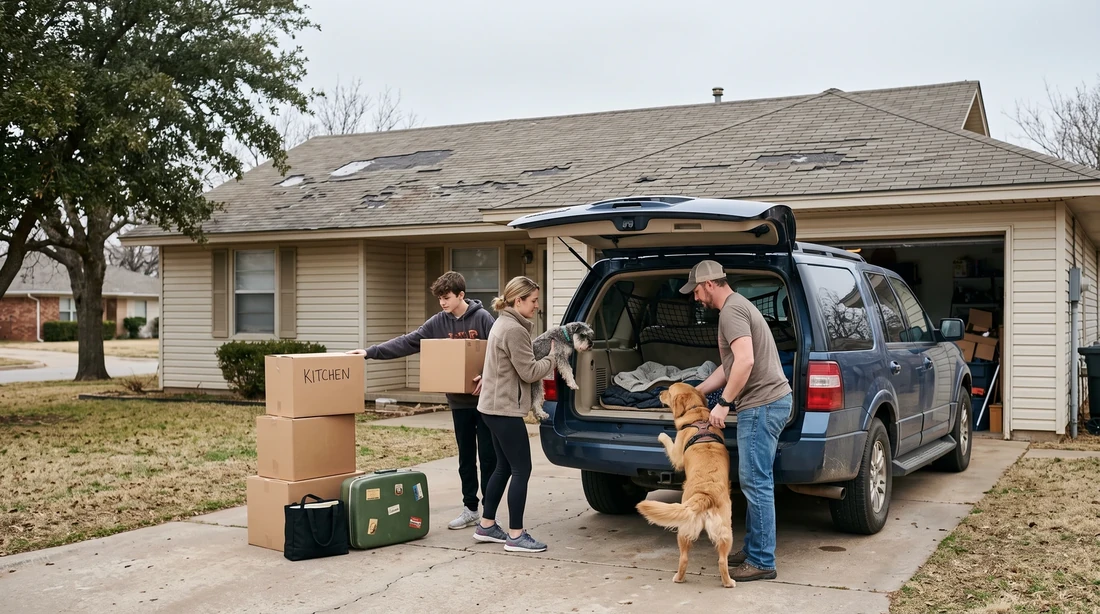
Hotels cap pets, limit weight, and charge nightly fees, and boarding stacks on top. Many ALE policies reimburse those pet costs, but a pet-friendly furnished home on a monthly rate usually costs your claim less. Get two written quotes, send your adjuster the math, and keep every receipt.
This guide is general information, not insurance or legal advice; your carrier makes all coverage decisions.